Get the best deals and travel ideas straight to your inbox and feed.
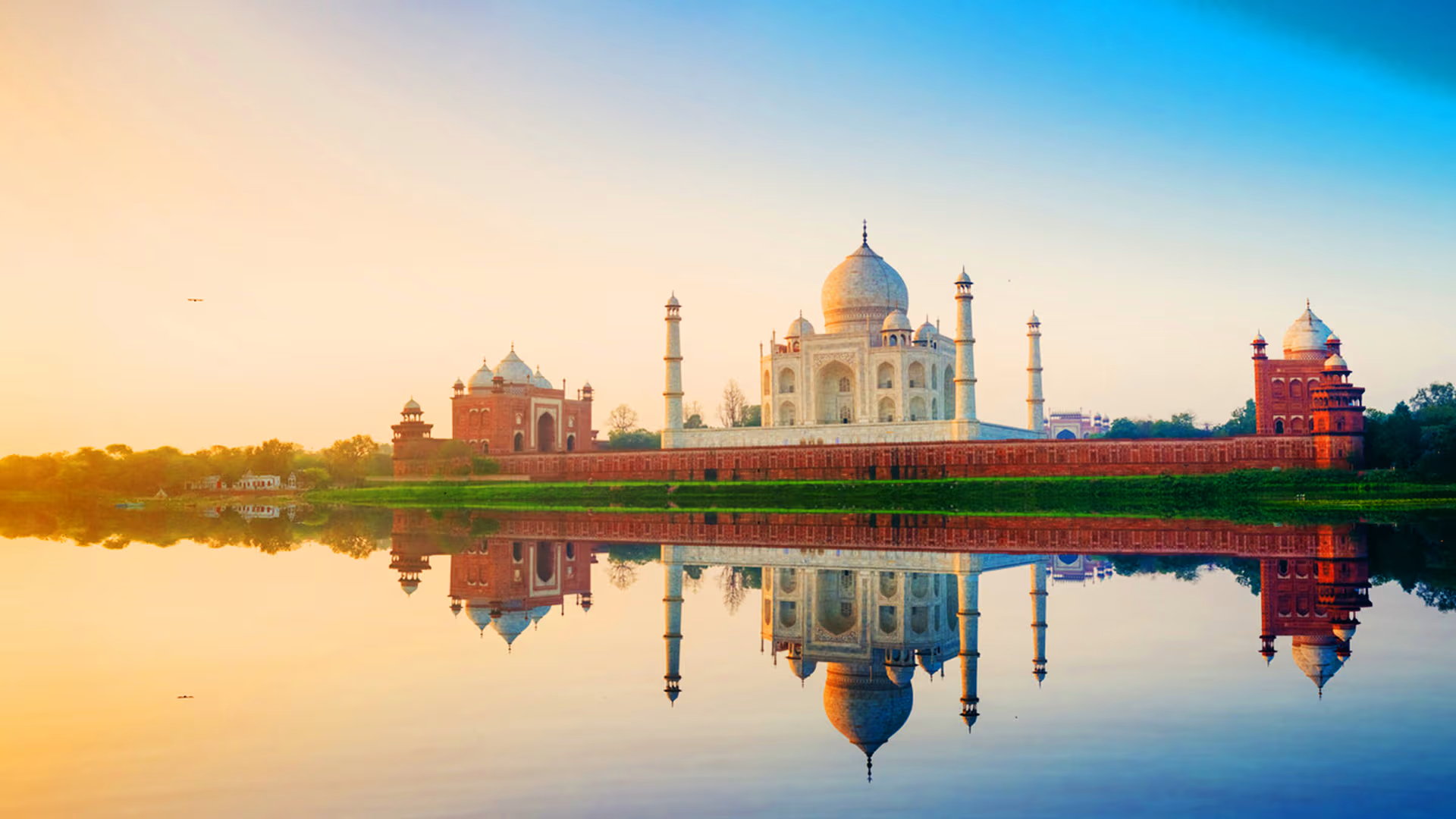

One of the New Seven Wonders of the World, the Taj Mahal remains an unrivaled symbol of love and one of history's greatest architectural masterpieces.

Agra's forts, tombs, mosques, and palaces showcase the artistic vision and engineering excellence of the Mughal Empire at its height.

The city is home to three UNESCO-listed landmarks that collectively reveal centuries of imperial history and architectural achievement.

Skilled craftsmen continue traditional marble inlay, embroidery, carpet weaving, and leatherwork using techniques refined over generations.

Agra's culinary traditions feature aromatic curries, slow-cooked specialties, and legendary sweets that reflect the city's royal heritage.

Its strategic location makes Agra a key destination within India's Golden Triangle, connecting Delhi, Jaipur, and Rajasthan's royal cities.
Discover Agra through imperial monuments, artisan workshops, traditional cuisine, and cultural experiences that celebrate the grandeur of the Mughal Empire.
Admire changing light across the white marble monument during one of the day's most memorable experiences.
Walk through magnificent palaces, audience halls, and royal courtyards within one of India's greatest fortresses.
Visit artisan workshops where traditional techniques continue to produce intricate decorative masterpieces.
Sample regional specialties inspired by centuries of royal culinary traditions.
Explore lively bazaars renowned for handicrafts, leather products, textiles, and marble souvenirs.
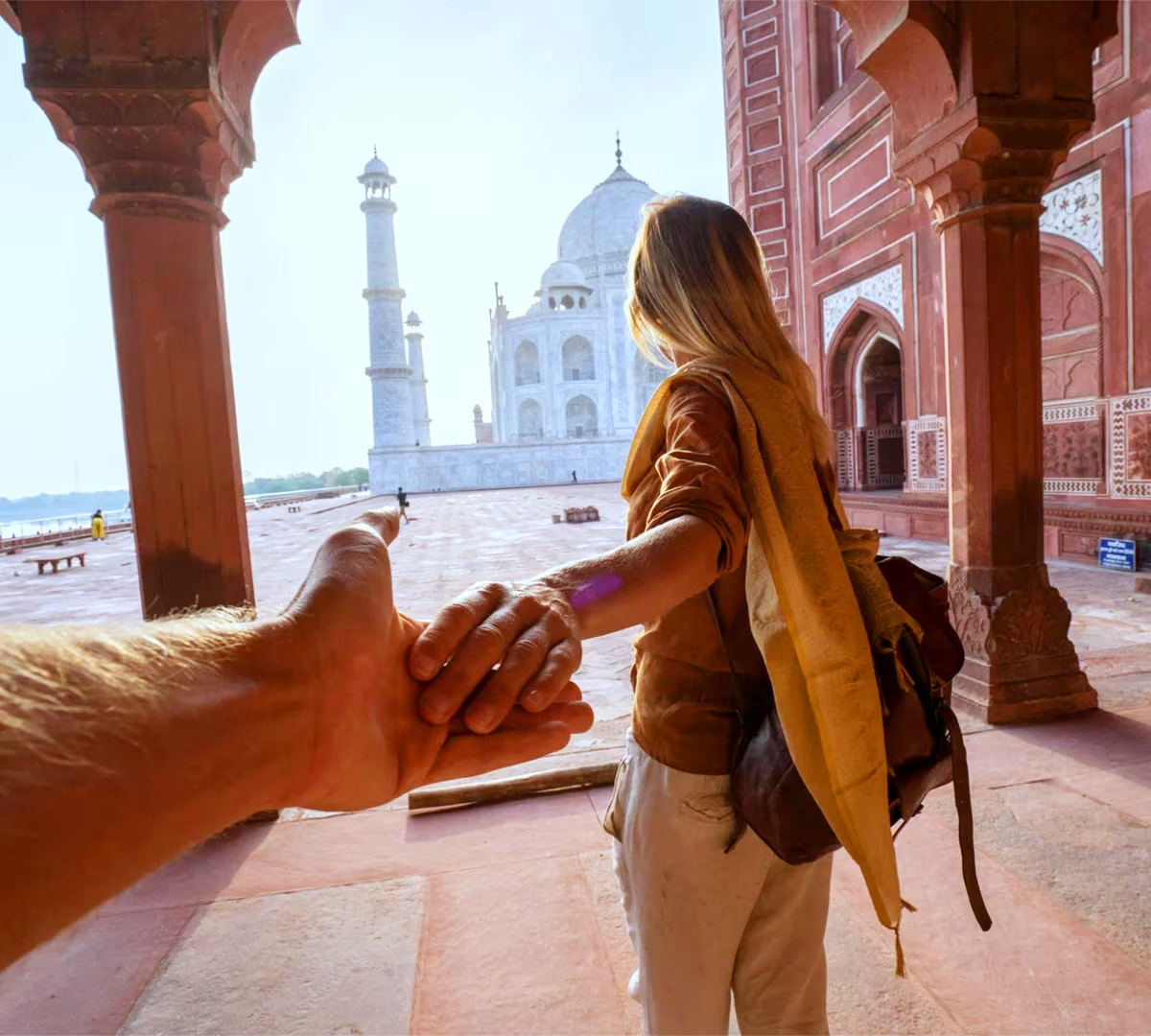
Agra's defining landmarks preserve the artistic brilliance and imperial legacy of the Mughal Empire through world-renowned monuments and historic sites.
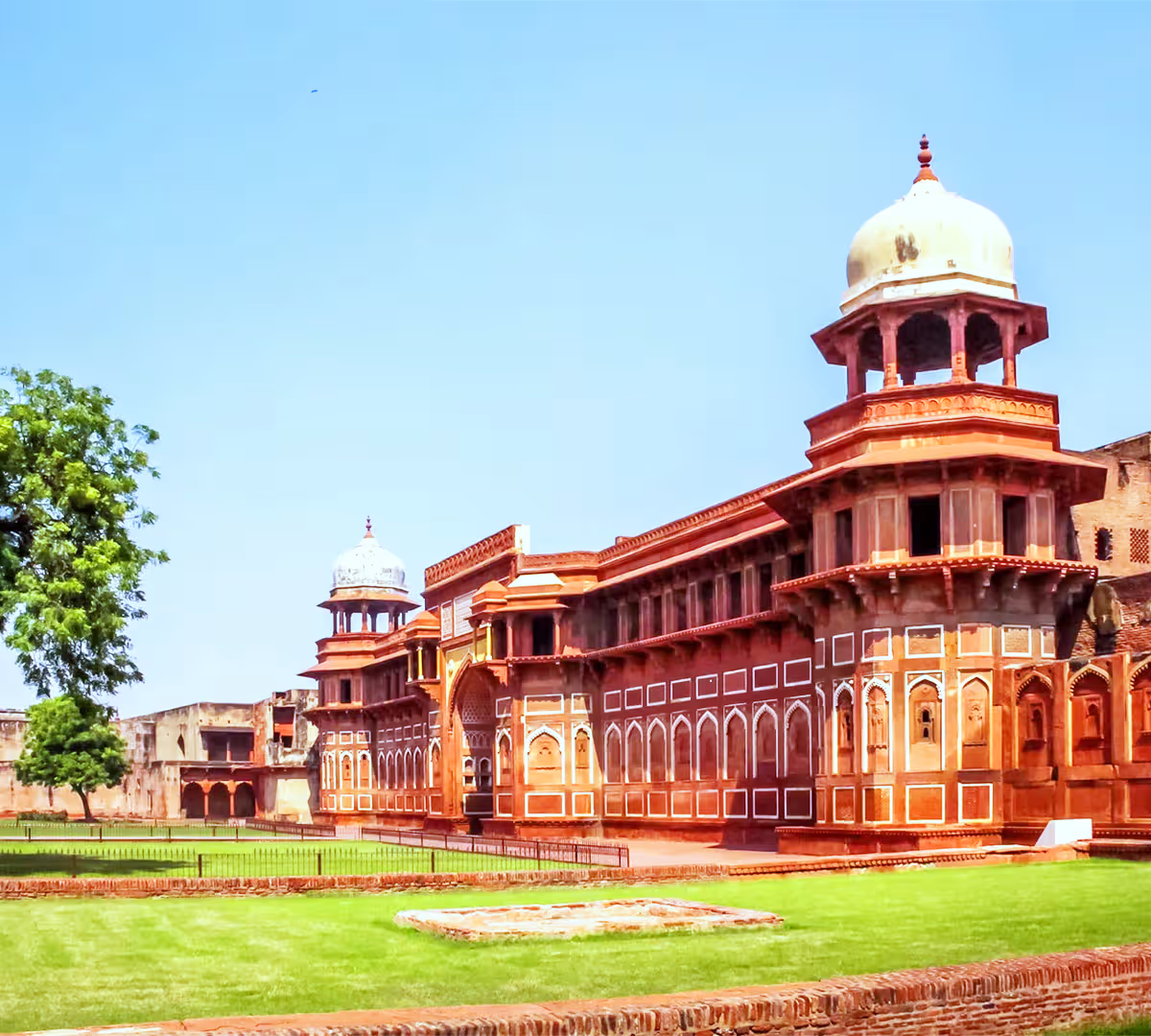
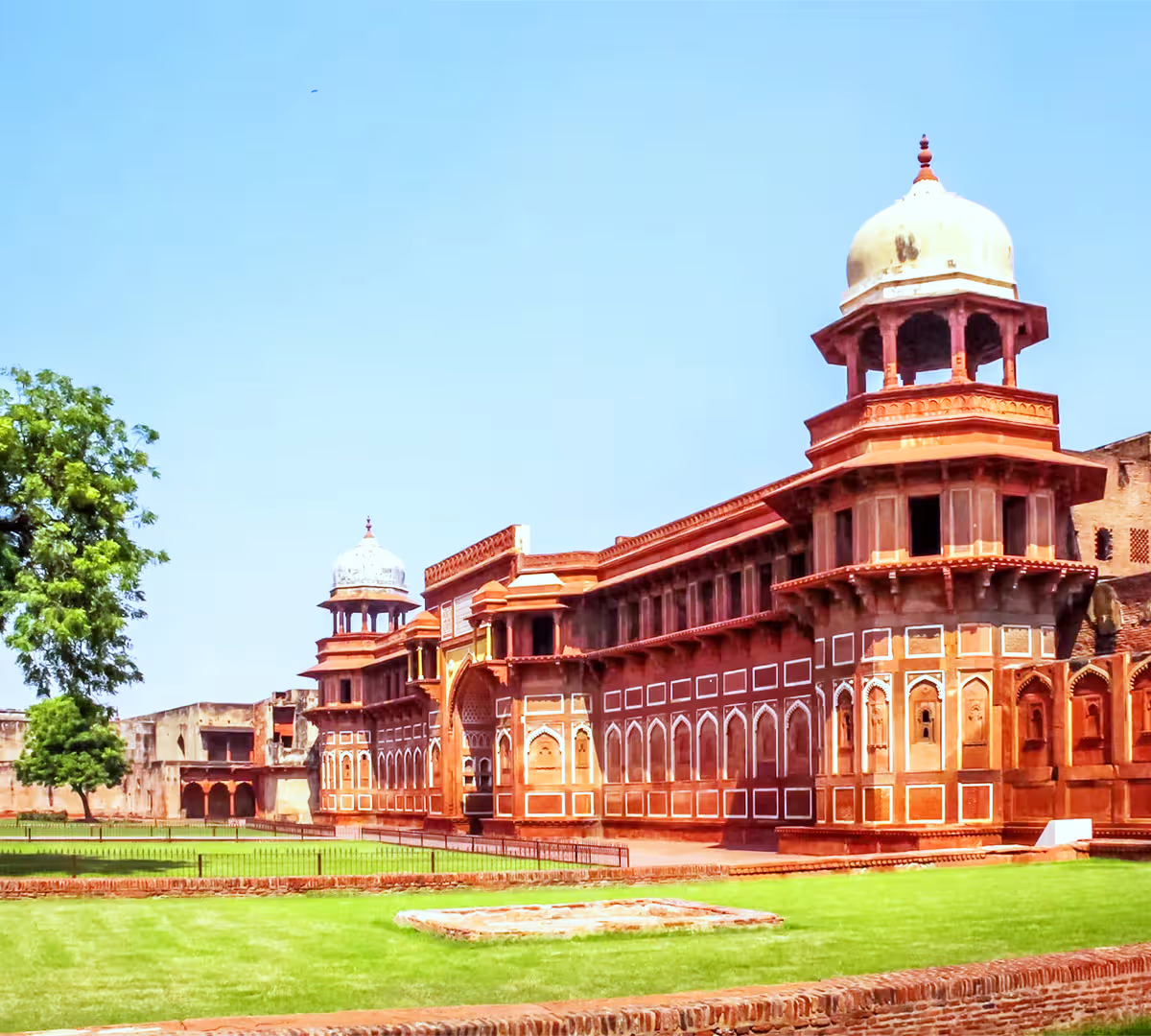
This vast UNESCO-listed fortress served as the principal residence of Mughal emperors for generations. Palaces, mosques, audience halls, and defensive walls reveal the grandeur and political power of the empire.
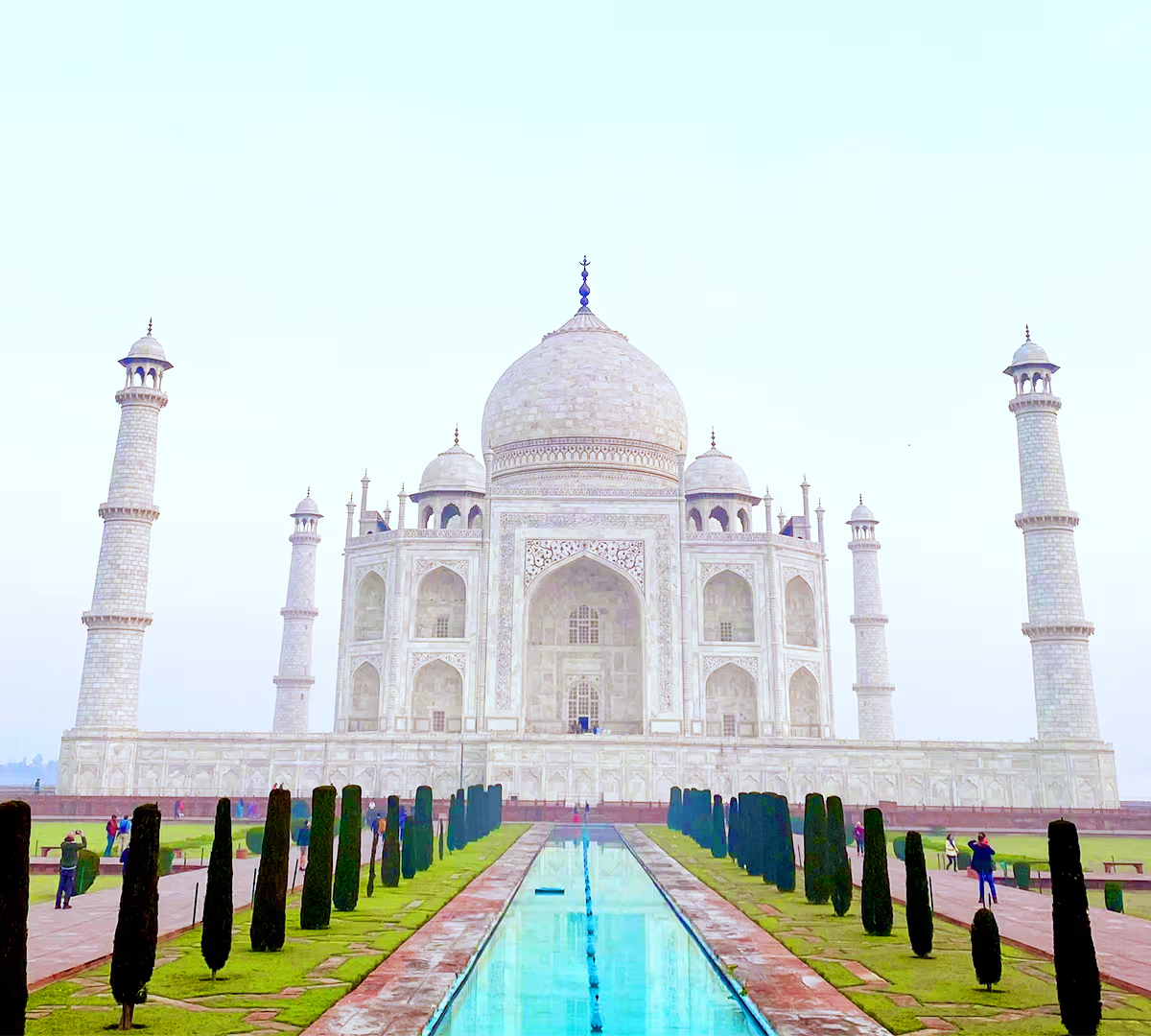
Recognized as a UNESCO World Heritage Site and one of the world's greatest architectural achievements, the Taj Mahal was commissioned by Emperor Shah Jahan as a tribute to Mumtaz Mahal. Its flawless white marble and intricate craftsmanship continue to inspire visitors worldwide.
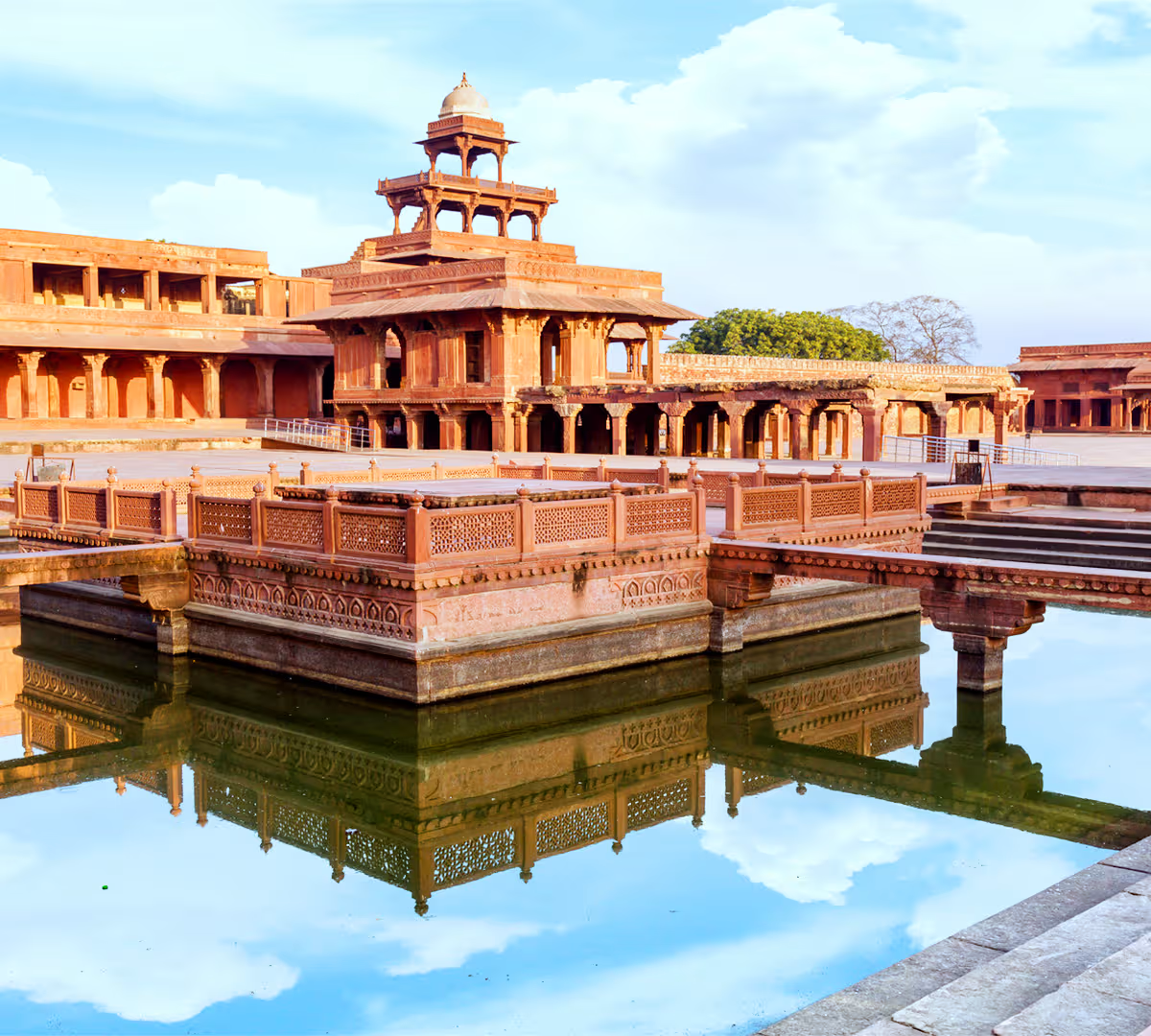
Built by Emperor Akbar during the sixteenth century, Fatehpur Sikri is a remarkably preserved UNESCO World Heritage Site featuring palaces, courtyards, mosques, and monumental gateways that reflect Mughal architectural excellence.
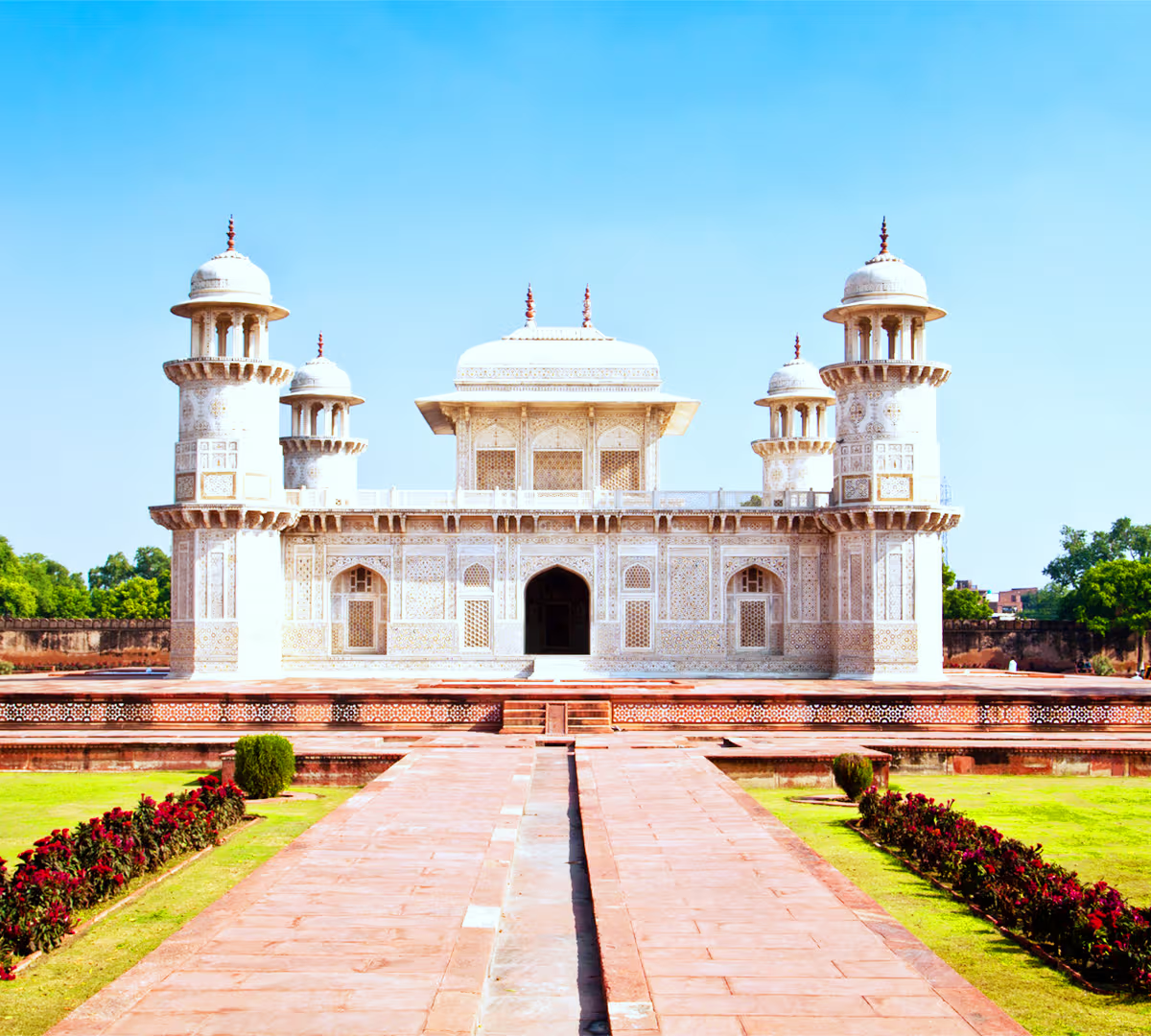
Often called the "Baby Taj," this elegant marble mausoleum introduced decorative techniques later perfected in the Taj Mahal. Delicate inlay work and tranquil gardens enhance its architectural beauty.
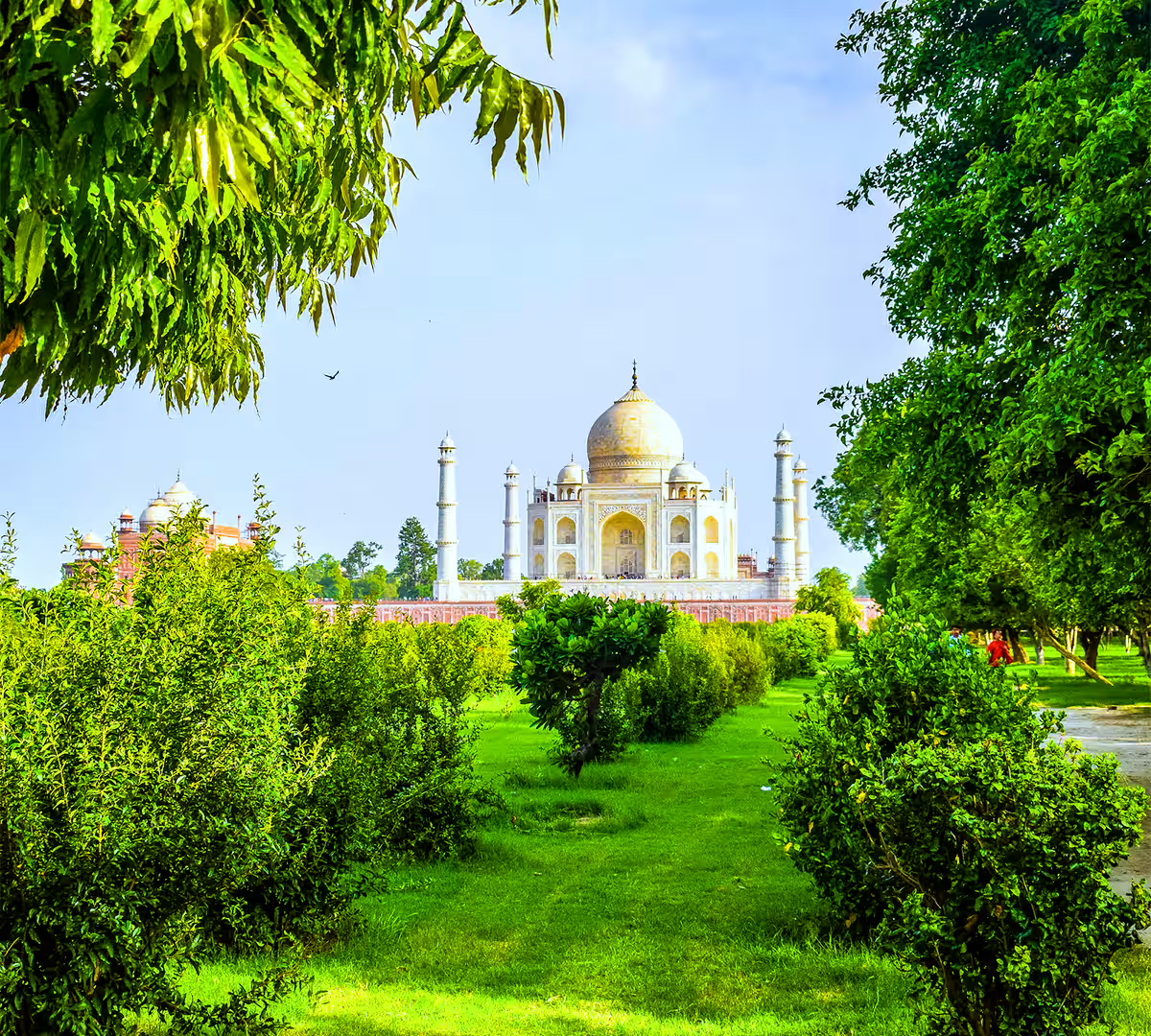
Situated across the Yamuna River, Mehtab Bagh provides one of the finest panoramic views of the Taj Mahal. The historic Mughal garden is especially popular during sunrise and sunset.
October through March offers the most pleasant weather for sightseeing, with cooler temperatures making it comfortable to explore Agra's historic monuments and outdoor attractions.

