Get the best deals and travel ideas straight to your inbox and feed.
Journeys that resonate long after you return
View All Offers
Vietnam's identity has been shaped by imperial capitals, village traditions, and Confucian influences that remain visible in architecture, ceremonies, and everyday life, offering cultural depth that feels lived-in rather than staged.

Vietnamese cuisine is defined by balance rather than excess, using herbs, seasonal produce, and regional techniques to create food that is refined, healthy, and deeply connected to place.

From terraced northern highlands and river-fed countryside to central heritage towns and southern waterways, Vietnam's geography unfolds gradually, allowing varied experiences without long or disruptive travel.

Across Vietnam, accommodation often blends French colonial influence and local craftsmanship with modern comfort, resulting in spaces that feel elegant, contextual, and thoughtfully designed.

Vietnam encourages travel at a natural rhythm, where time is spent lingering in historic quarters, markets, and quiet landscapes rather than rushing between headline sights.

Vietnam offers a level of service, cultural access, and comfort that delivers genuine value, making it possible to enjoy well-crafted experiences without compromise or excess.
Vietnam offers a rich mix of cultural encounters, scenic journeys, heritage towns, and refined culinary experiences, allowing travellers to explore history, nature, and daily life at a rewarding, unhurried pace.
Walk through lantern-lit streets, colonial neighbourhoods, and preserved trading ports where architecture, local crafts, and everyday rituals reveal layers of Vietnam's cultural history.
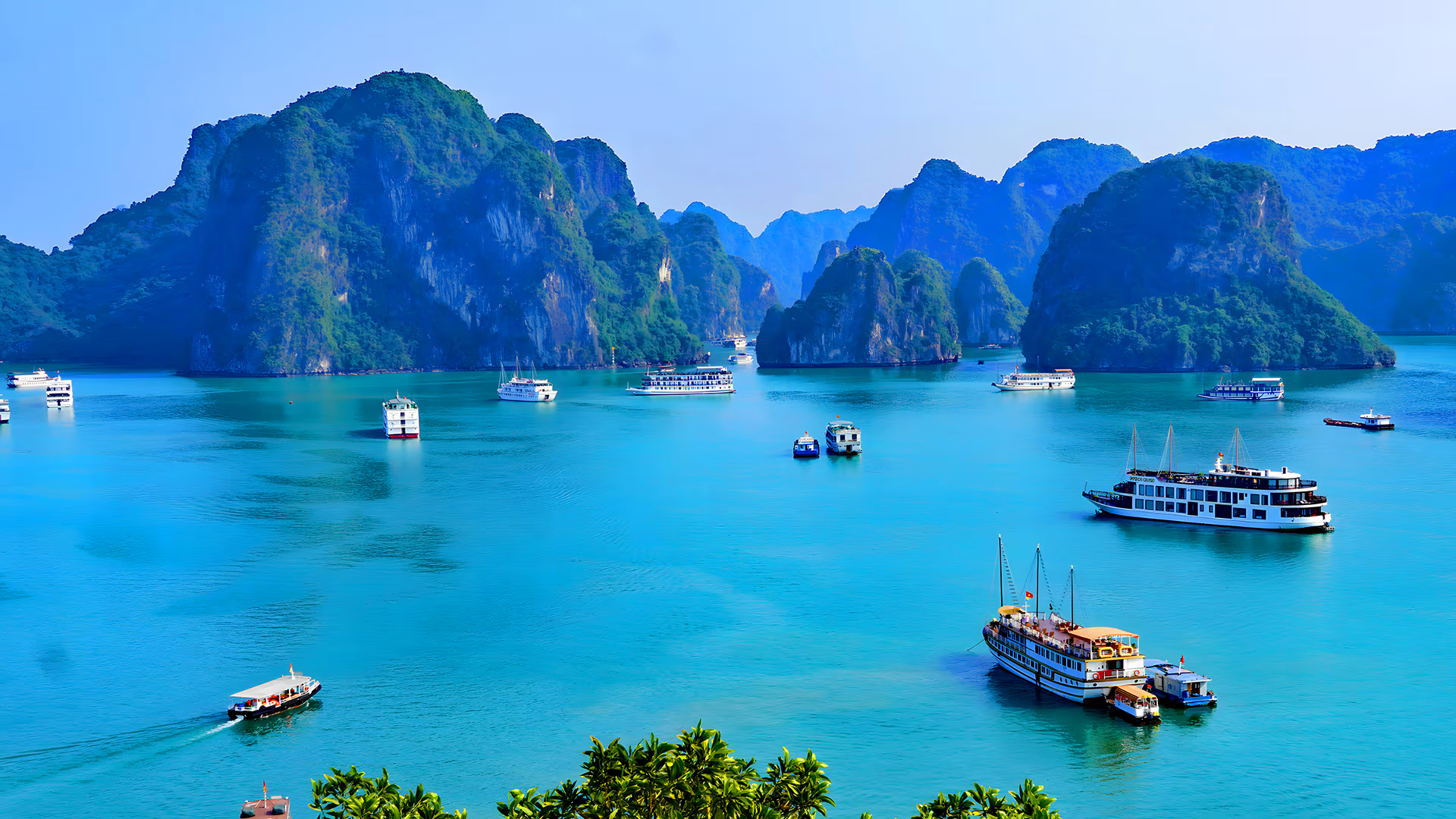
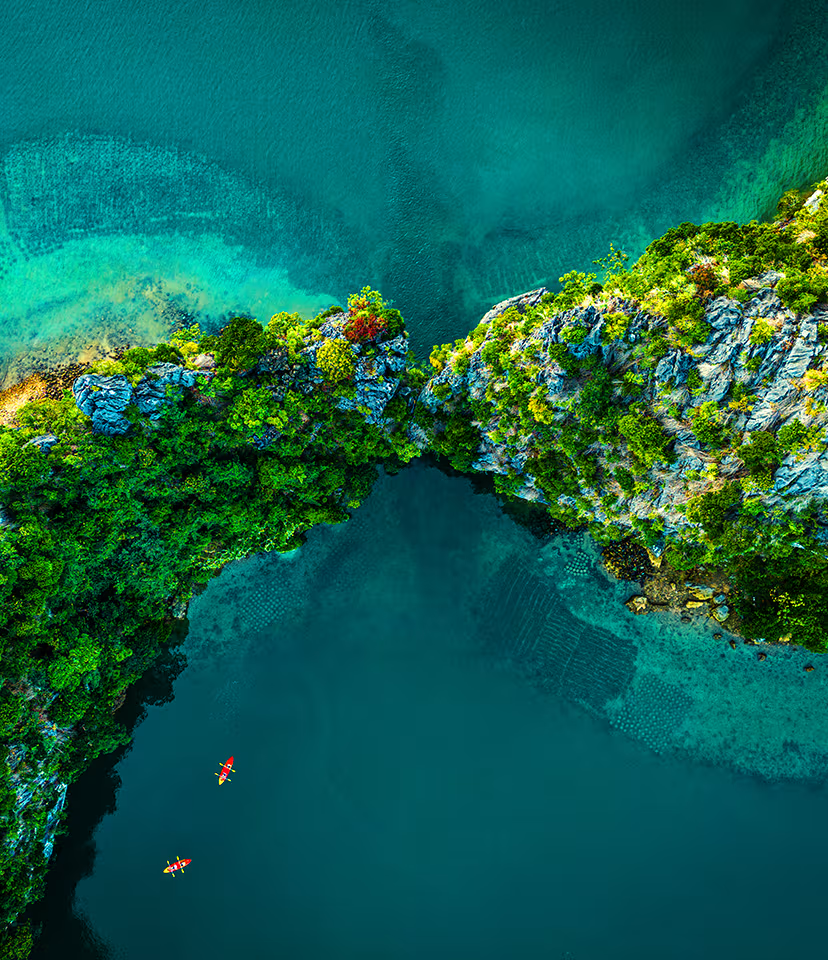
Experience Vietnam from the water, gliding past dramatic karst formations, floating villages, and peaceful riverbanks that highlight the country's natural elegance and slower rhythms.
Join market visits, cookery sessions, and local dining experiences to understand how fresh herbs, balance, and regional traditions shape one of Asia's most respected food cultures.
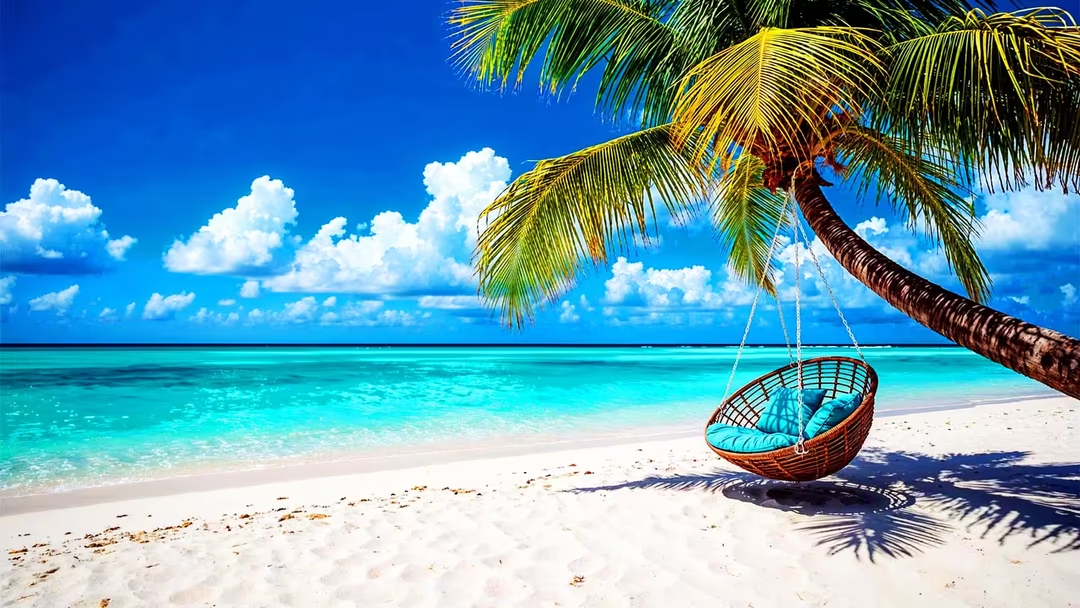
Enjoy calm beaches and coastal towns that combine natural beauty with understated comfort, offering space to relax while still engaging with local culture and cuisine.
Travel through terraced fields, rural villages, and scenic highlands to gain insight into agricultural life, traditional craftsmanship, and landscapes shaped by generations.
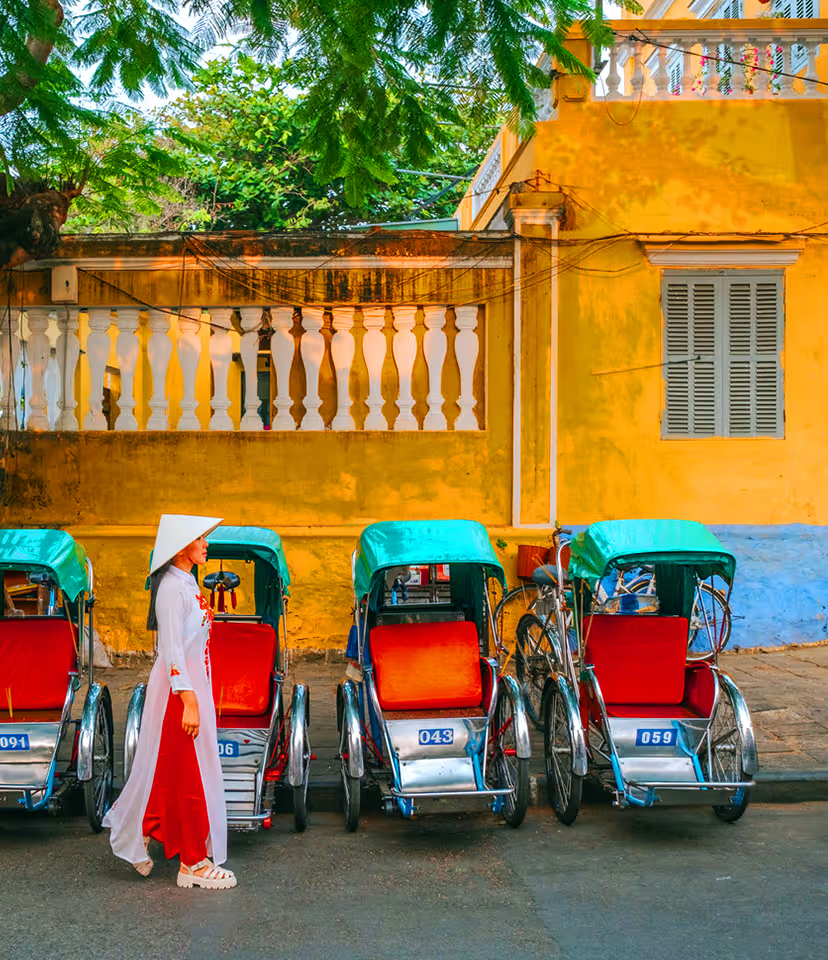
Vietnam features historic capitals, lantern-lit towns, dramatic bays, and vibrant cities, each revealing layers of culture, landscape, and heritage that define the country's enduring appeal.
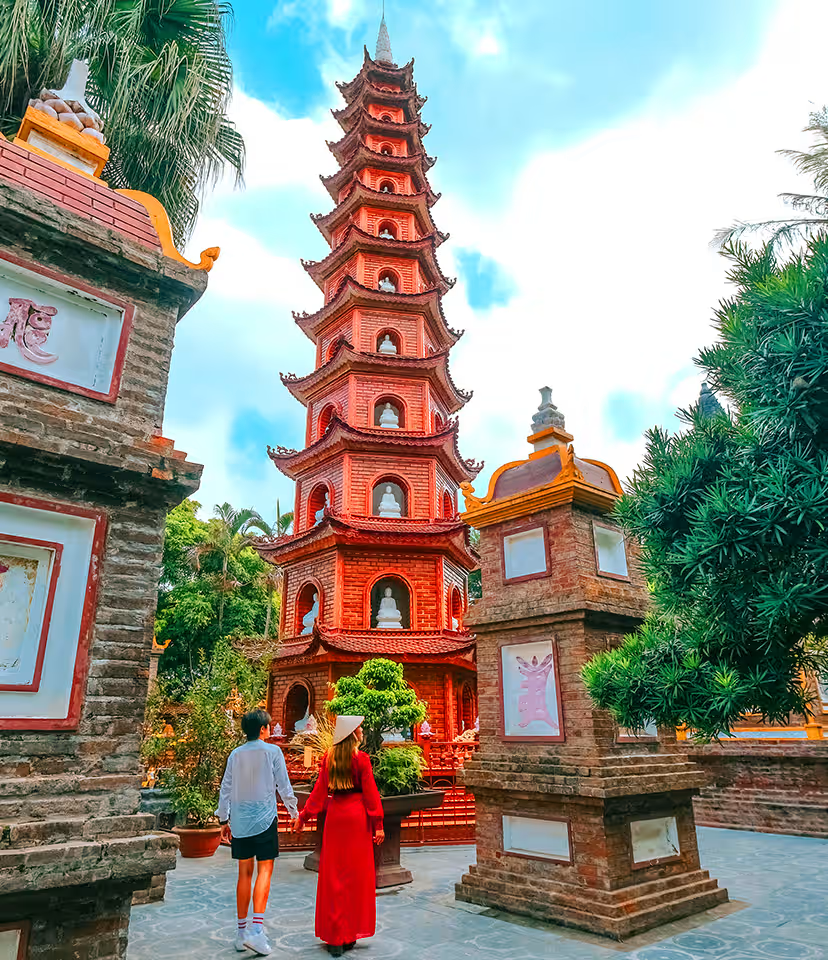
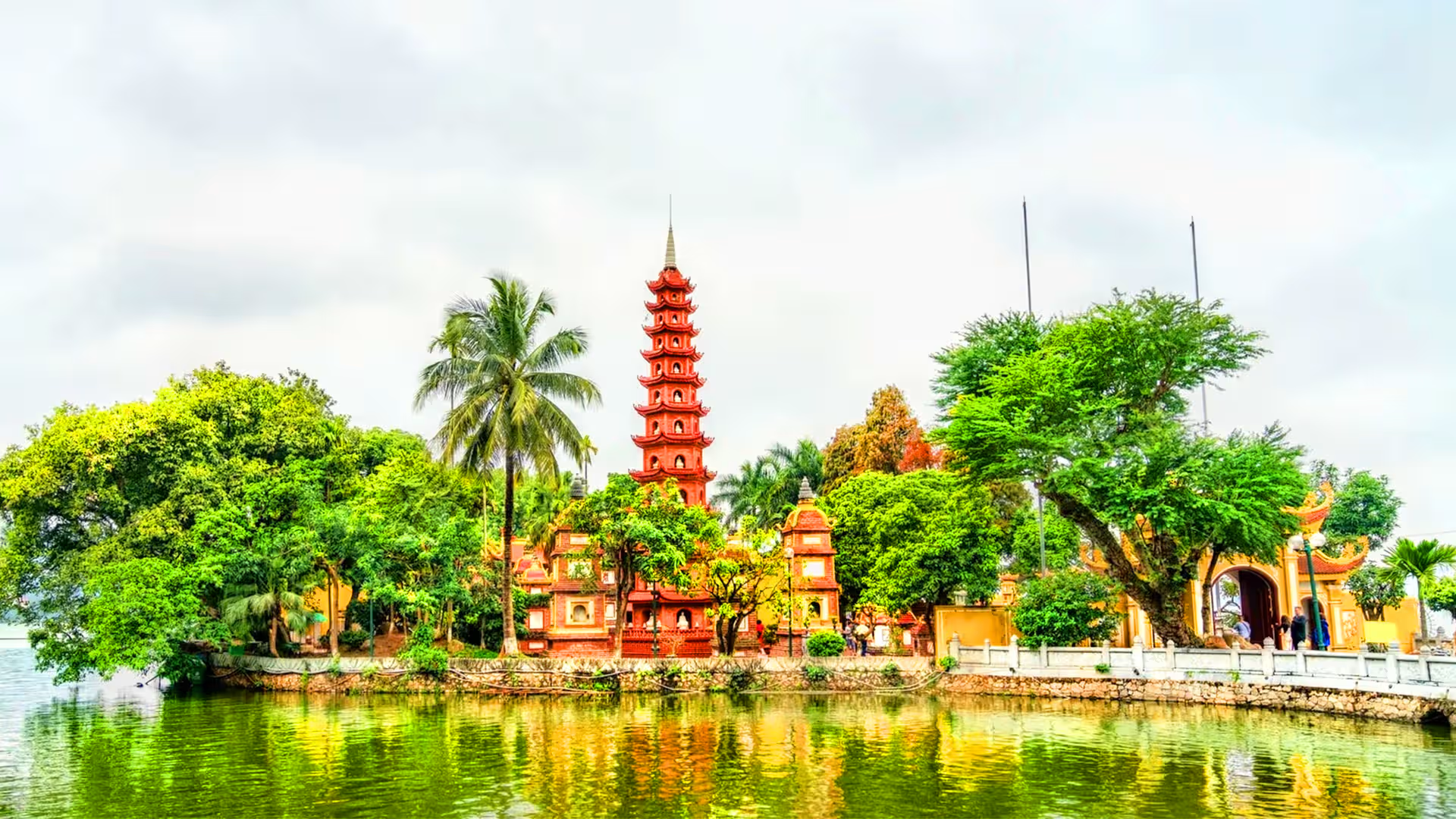
Vietnam's capital blends centuries-old temples, French colonial avenues, and lively old quarters, offering deep cultural context through lakeside walks, street life, and historic neighbourhoods.
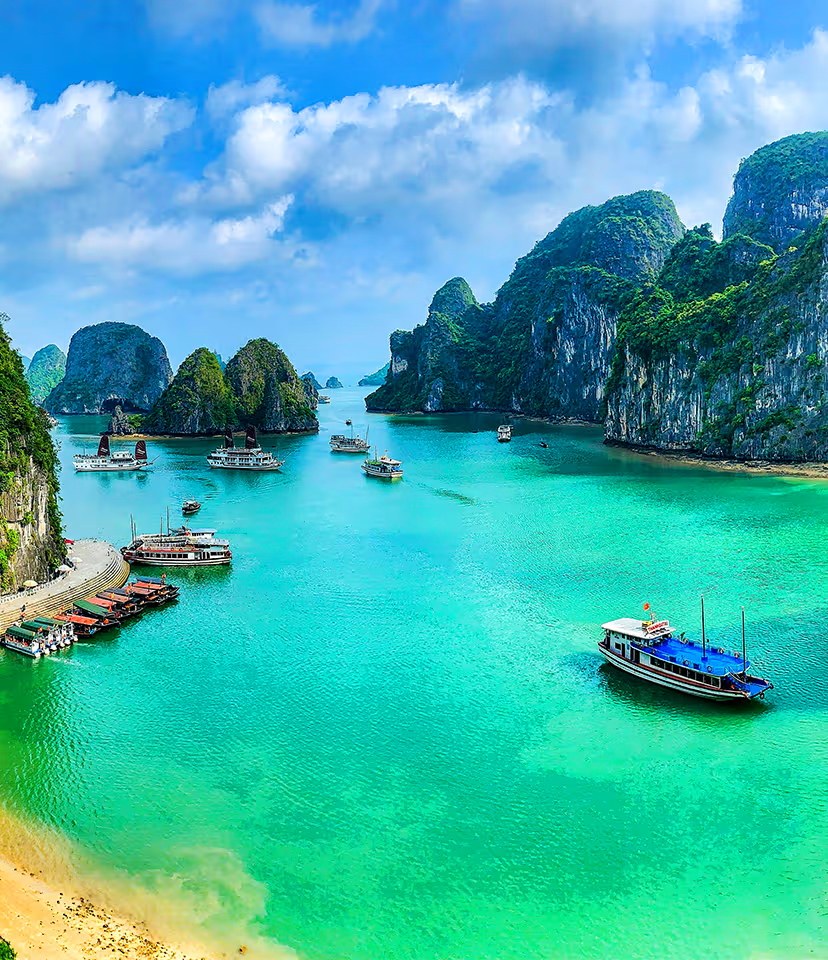
A UNESCO-listed seascape known for limestone karsts and calm emerald waters, best experienced by boat, revealing caves, floating villages, and striking natural formations.
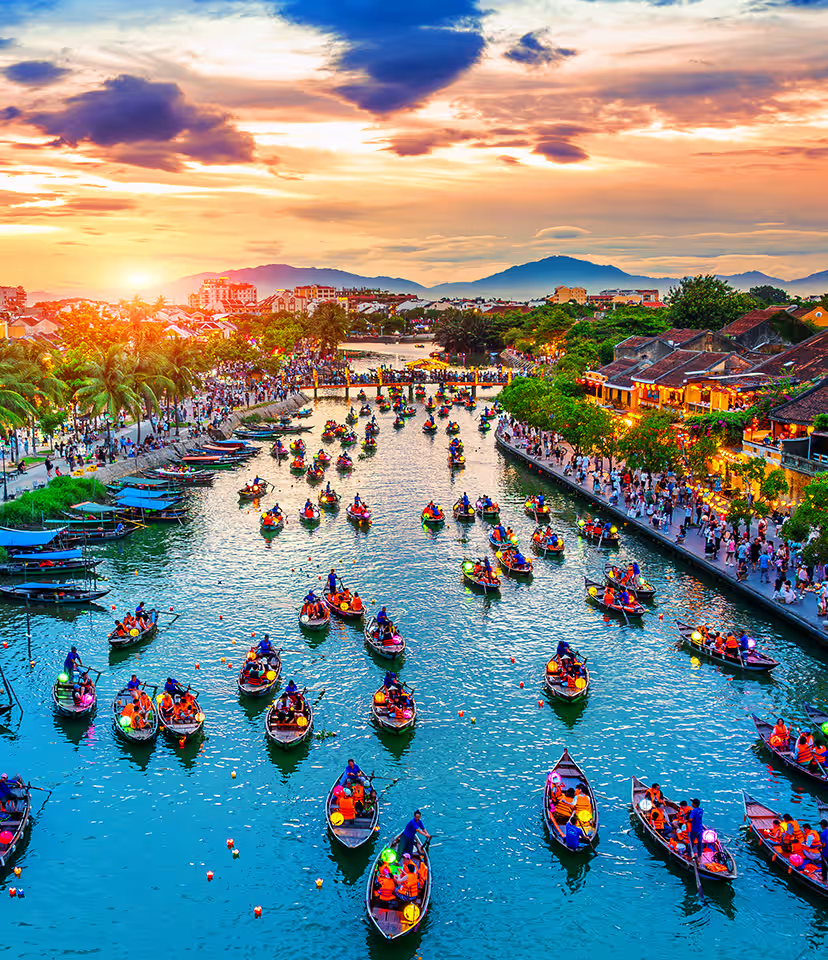
This preserved trading port is celebrated for lantern-lit streets, riverside cafés, and traditional architecture, creating an atmosphere that feels intimate, elegant, and timeless.
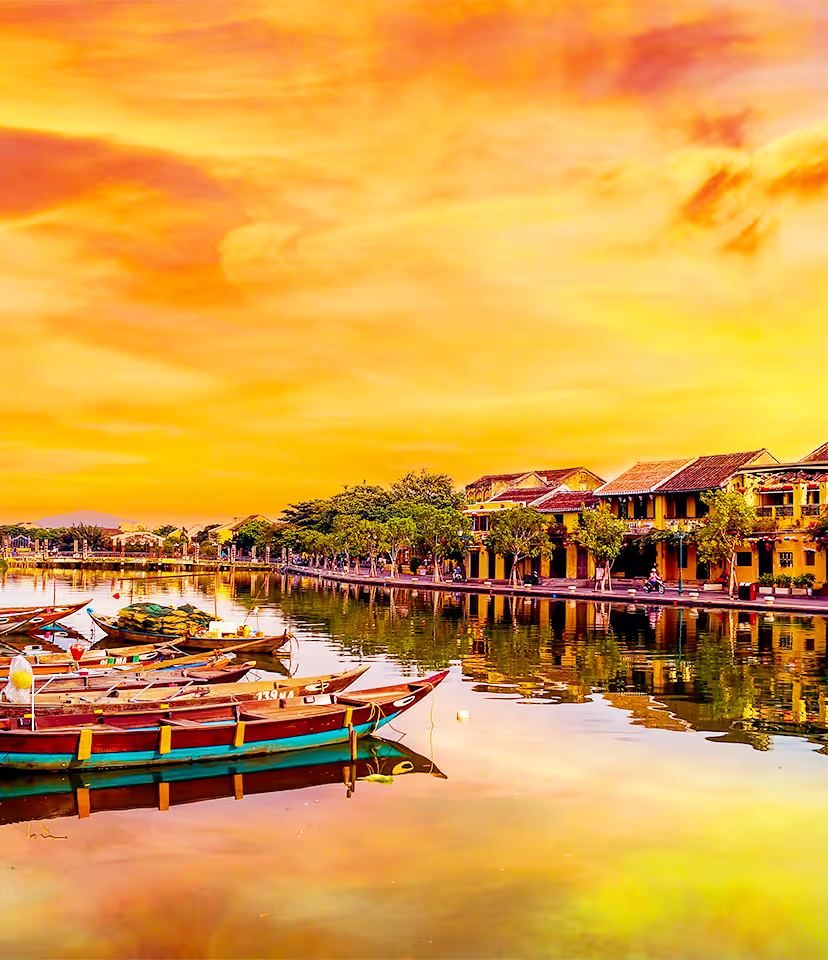
Once Vietnam's imperial capital, Hue is home to royal citadels, pagodas, and tombs set along the Perfume River, offering insight into the country's dynastic past.
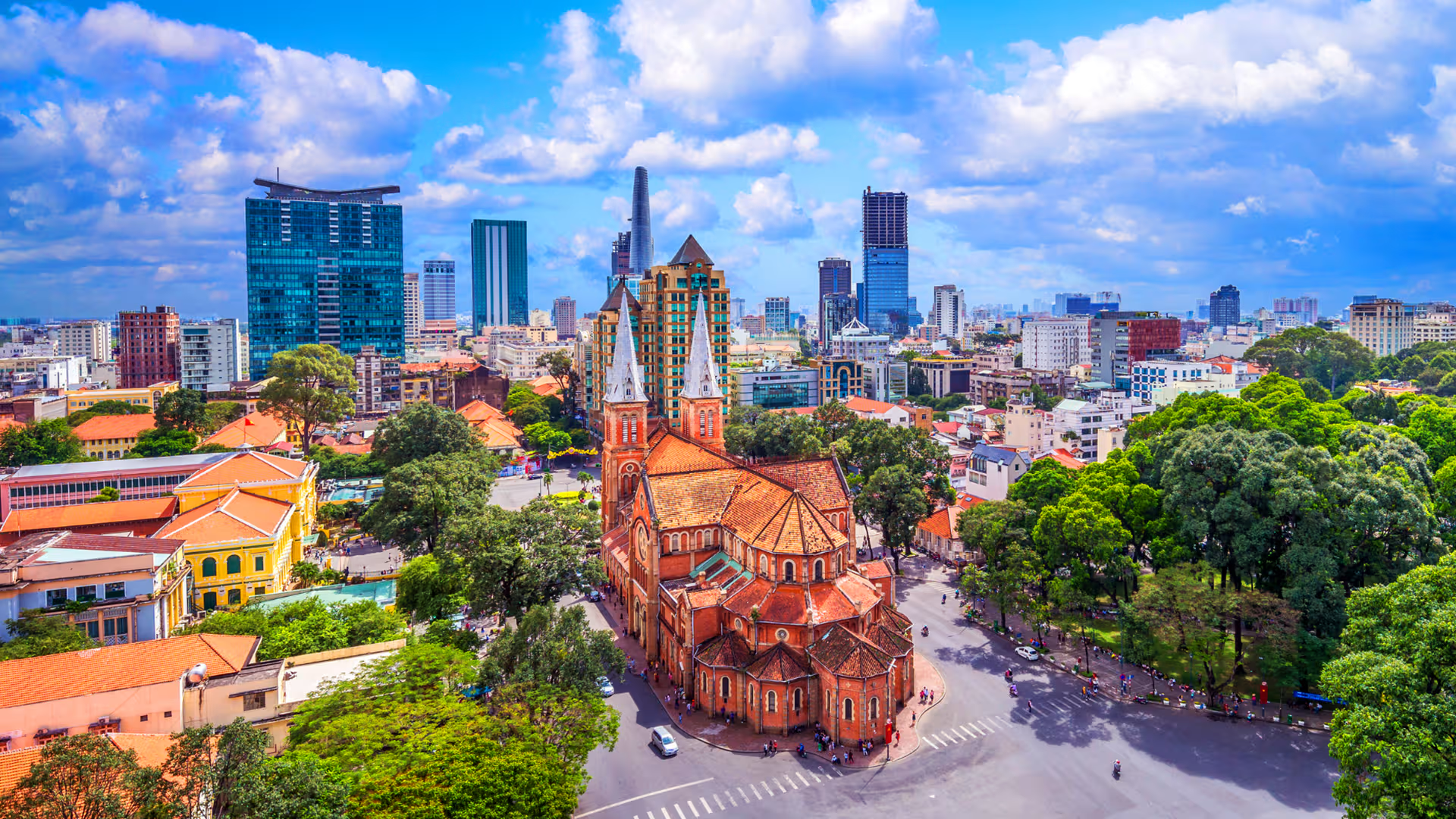
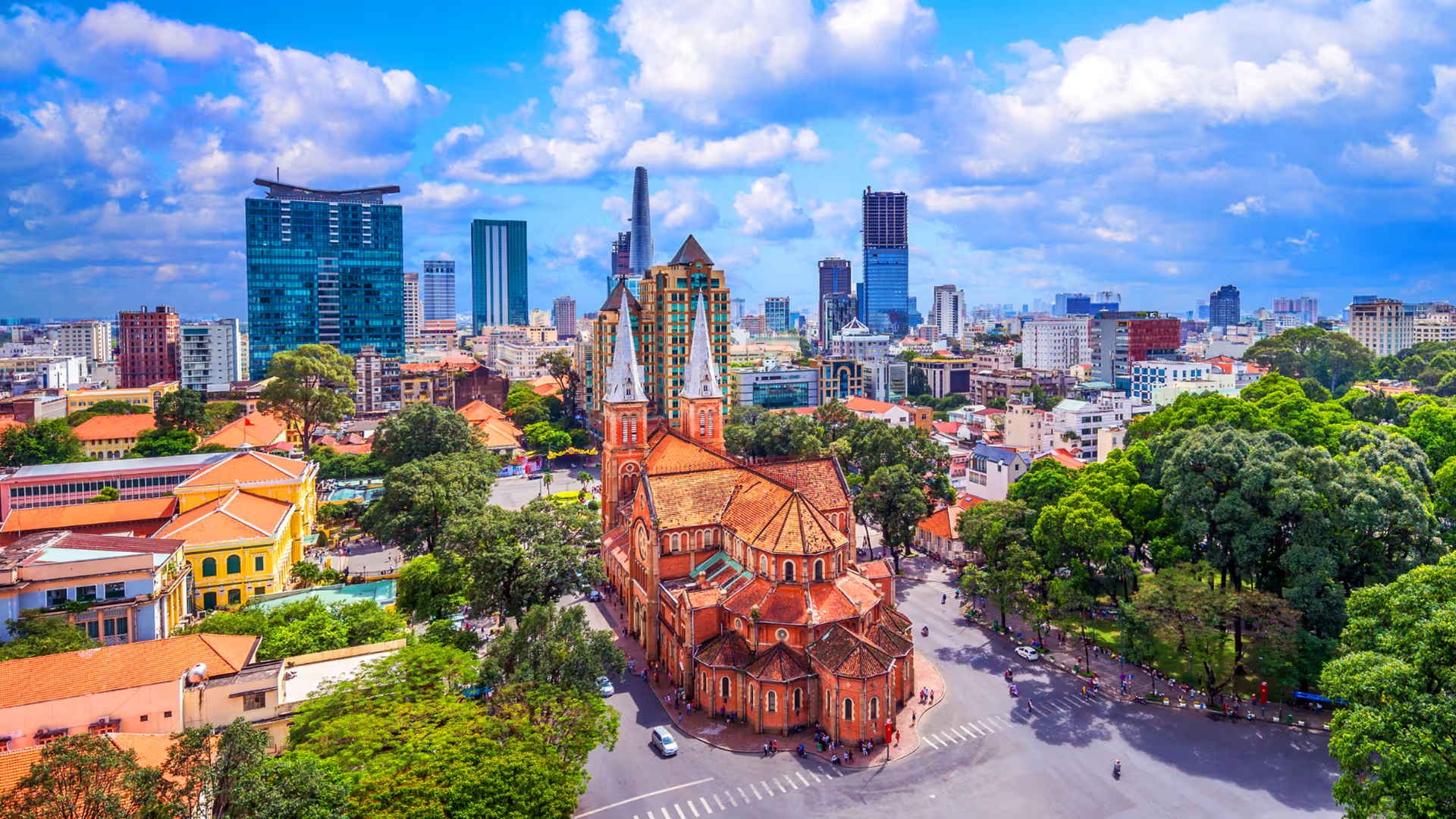
A dynamic southern metropolis where colonial landmarks, modern districts, and energetic street culture reflect Vietnam's contemporary spirit and economic drive.
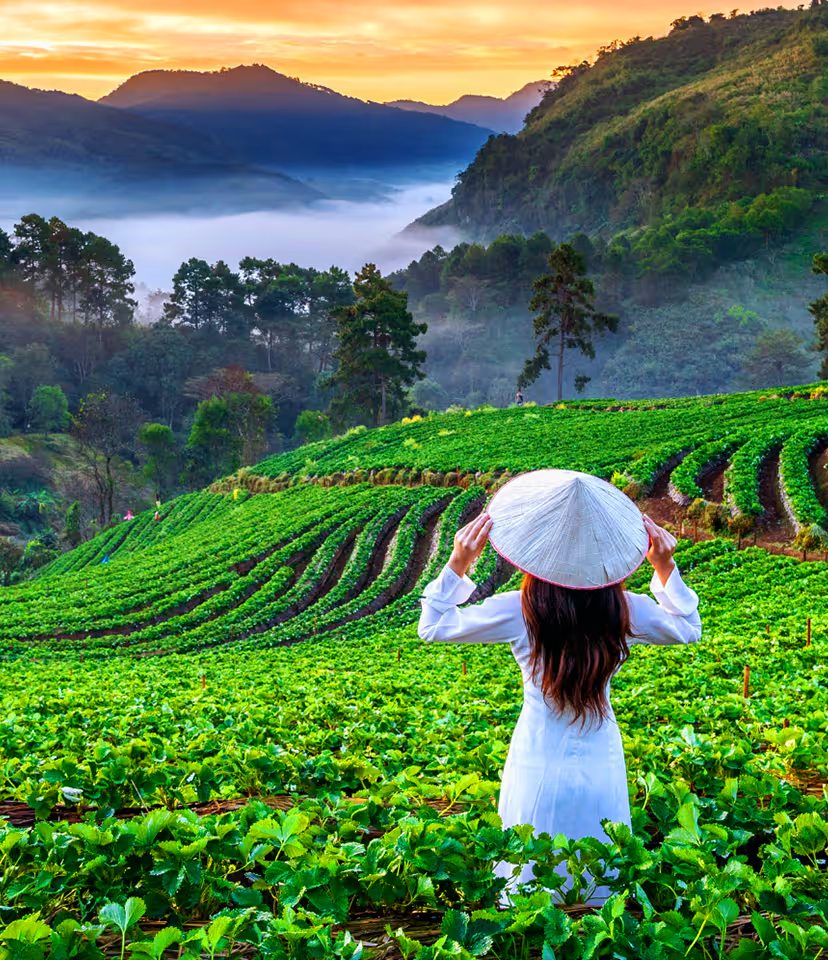
Set in the northern highlands, Sapa is known for terraced rice fields, cool mountain air, and ethnic villages, offering scenic landscapes and cultural encounters.
The finest way to experience the world
View All OffersVietnam can be visited year-round, but the most comfortable months are generally from November to April, when many regions experience drier weather and milder temperatures.


.avif&w=1080&q=75)