Most people can picture the pyramids without ever having stood near them, which is precisely the problem - the image arrives fully formed, and the reality has to work twice as hard to surprise anyone. It manages it anyway, mostly through scale: nothing quite prepares a first-time visitor for how large the Great Pyramid actually is up close, or how directly it borders the modern city behind it.
The rest of the country keeps that pattern going. Cairo and Giza set the tone, but Luxor's temples, the Red Sea's reef systems and the White Desert's chalk formations each land with a similar jolt of scale - this guide takes them one at a time, alongside the planning detail that turns a first idea of Egypt into an actual itinerary.
What Sets an Egyptian Escape Apart
Egypt carries a weight of history that few other destinations can match, yet what tends to stay with visitors is smaller than the monuments themselves - a felucca captain reading the wind without a second glance, a Nubian family inviting you in for tea because the conversation simply ran that way, a guide who has spent a career walking the same tombs and still points out something new. It is this combination of genuine scale and genuine warmth that separates a considered trip from the version most people picture, one built around coach parties and fixed itineraries. Luxury Egypt holidays tend to draw on exactly this contrast - private access to sites before the coaches arrive, a felucca hired for an afternoon with no schedule beyond the current, a stay long enough to let the country's rhythm take over rather than racing to see everything at once.
Cairo and Giza - Where It Begins
Most journeys start here, and there's a reason the pyramids of Giza still stop conversation on arrival - nothing quite prepares a visitor for how close the desert sits to the edge of a modern city, the plateau rising directly from Cairo's suburbs rather than somewhere remote. The Grand Egyptian Museum, finally open after years of anticipation, now holds Tutankhamun's full collection under one roof for the first time, while the older Egyptian Museum in Tahrir Square retains its own dust-and-marble charm for those who prefer its more traditional galleries. Islamic Cairo, with its medieval gates and the sprawling Khan el-Khalili bazaar, offers a different pace entirely - narrow, loud, and entirely unconcerned with anyone's itinerary. The calibre of stays here has shifted considerably in recent years too; 5 star hotels Egypt now offers along the Nile in Cairo increasingly favour Nile-facing terraces and genuinely thoughtful design over scale for its own sake, letting a first night in the country settle in gradually rather than all at once.
The Nile - Luxor, Aswan and the River Itself
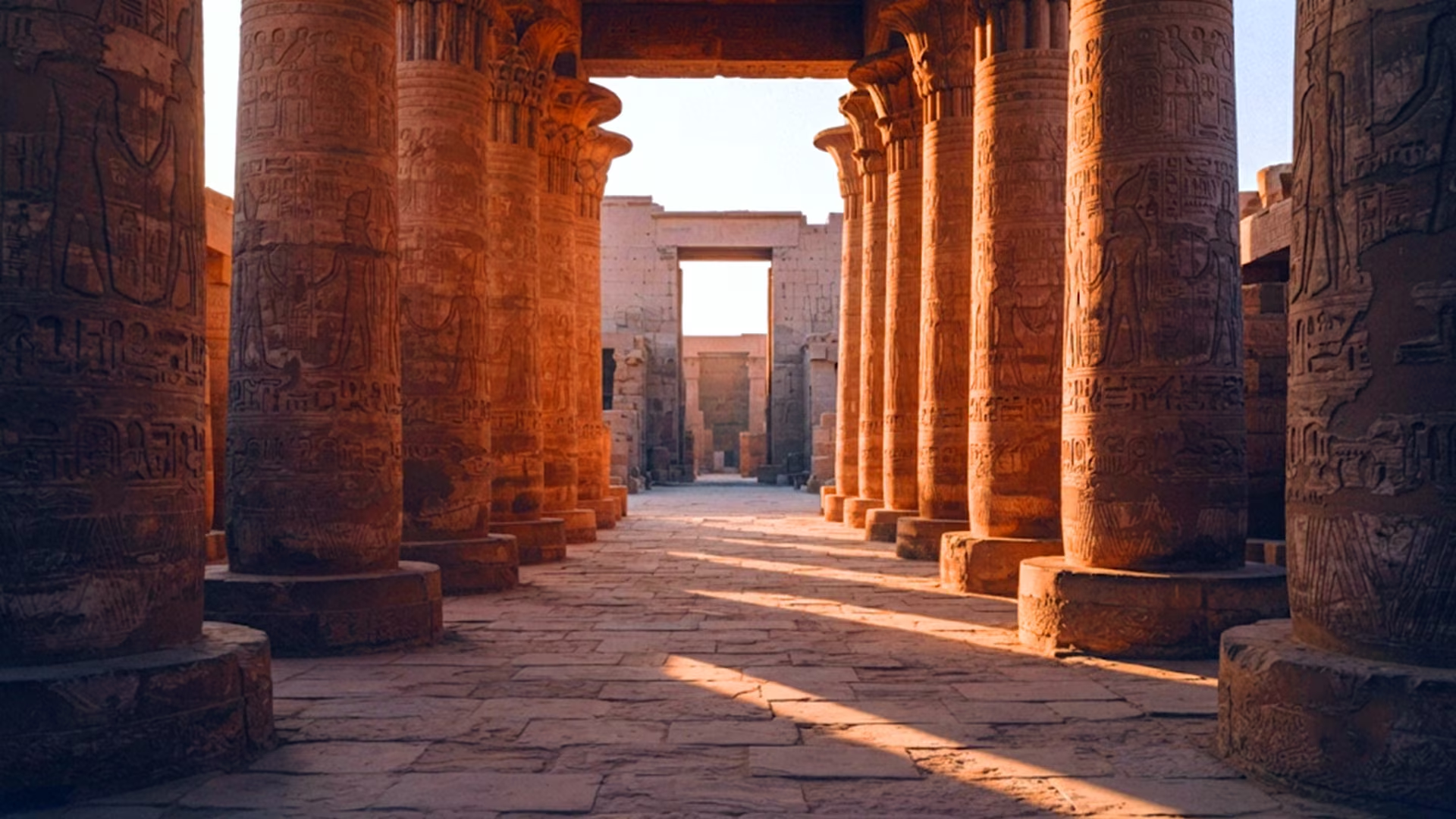
Travel upriver and Egypt slows down considerably. Luxor holds the Valley of the Kings on its western bank, tombs cut deep into the rock and painted with a precision that still catches conservators off guard, while Karnak's temple complex on the eastern side spreads across more ground than most visitors expect, its hypostyle hall of towering columns best seen early, before the heat and the crowds arrive together. Further south, Aswan carries a gentler, more Nubian character - colourful lakeside villages, the granite quarries that supplied ancient obelisks, and Philae Temple rebuilt on its own island after the Aswan Dam changed the river's course. For anyone weighing up luxury Egypt tours, the river itself is often the real draw rather than any single site along it - a private dahabiya or small traditional sailboat moves at a pace a coach never could, mooring wherever the light or the mood suggests rather than to a fixed schedule. Among the best places to stay in Egypt, a night or two aboard the river tends to outlast the memory of any single temple, precisely because it turns transit time into the experience itself. It's this kind of unhurried, considered structure that shapes the strongest luxury holidays to Egypt - a few days in Cairo, several more moving slowly along the Nile, rather than an itinerary trying to cover the whole country in a week.
The Red Sea - Hurghada, Sharm El Sheikh and the Coast
Egypt's other coastline runs on an entirely different rhythm. Where the Nile is about history and slowness, the Red Sea is about colour and stillness of a different kind - reef systems close enough to shore that a short boat ride reaches genuinely spectacular diving and snorkelling, coral gardens holding turtles, reef sharks and fish in numbers that surprise even experienced divers. Luxury holidays to Hurghada suit travellers drawn to that mix of desert backdrop and clear water, the mountains behind the town turning a deep rust colour as the sun drops. Further south along the Sinai Peninsula, luxury holidays to Sharm El Sheikh offer a similar pairing of reef and desert, with Ras Mohammed National Park nearby holding some of the region's most protected marine life. The best luxury beach resorts Egypt has along this coast tend to make the most of that contrast, positioning private pools and terraces to catch both the sea view and the desert light rather than choosing one over the other.
Desert and Oases - Egypt Beyond the Nile
Leave the river and the coast behind, and Egypt turns genuinely wild. The White Desert, several hours west of the Nile valley, holds chalk formations carved by wind into shapes that look almost sculpted - mushroom-like pillars scattered across a landscape that turns luminous white by day and strangely lunar under a full moon. Siwa, closer to the Libyan border than to Cairo, feels like a different country again - salt lakes, freshwater springs, and a Berber culture distinct from the rest of Egypt, its mudbrick fortress of Shali rising above ancient olive and date groves. Few of the luxury hotels in Egypt built around this region try to compete with the desert itself; instead, the strongest stays lean into low-slung, eco-conscious design, ecolodges and desert camps that let the emptiness do the work rather than crowding it out.
When to Go and How to Plan From the UK
Egypt weather varies more by region than many first-time visitors expect. Cairo and the Nile Valley run hot and largely dry through summer, with temperatures in Luxor and Aswan regularly climbing into the mid-forties Celsius during July and August - striking for a short visit, exhausting for extended sightseeing. The Red Sea coast stays warm year-round thanks to its desert-meets-sea position, while Cairo's winters turn genuinely mild and comfortable, rarely dropping much below the mid-teens even at night.
For most travellers, the best time to visit Egypt falls between October and April, when Nile Valley temperatures settle into the twenties and sightseeing during the day becomes far more comfortable, while the Red Sea coast remains warm enough for swimming throughout. Direct flights run from several UK airports into Cairo, Hurghada and Sharm El Sheikh year-round, making it straightforward to fly directly into a coastal stay or route through Cairo for a few days before heading south along the river.
Bringing It All Together
Egypt rarely asks a visitor to choose a single version of itself - a few days among Cairo's monuments, a slow passage down the Nile, a stretch of Red Sea coast, and the total quiet of the Western Desert can all sit within one considered trip, each offering something the others don't. What matters more than covering everything is being honest about the pace that suits the traveller: reflective and historical, colourful and marine, or genuinely remote. However that trip takes shape, Travoluxury has built its luxury holidays in Egypt collections around exactly that range, matching each region's character to the kind of week a traveller is actually after.