Egypt is one of those destinations that stays with you long after you return home. You might arrive dreaming of the Pyramids of Giza, but it is often the quieter moments that become just as memorable like walking through a temple covered in ancient carvings, watching the Nile drift past a Nubian village, or discovering a historic Cairo street where centuries of everyday life unfold around you.
Beyond its famous landmarks, Egypt has an extraordinary collection of places recognised by UNESCO for their cultural or natural importance. From ancient royal tombs and early Christian heritage to a desert landscape filled with prehistoric whale fossils, these sites reveal a side of Egypt that many travellers never get to experience. They also make a wonderful starting point for planning luxury Egypt holidays that combine iconic sights with more thoughtful, immersive experiences.
Egypt has seven properties on UNESCO's World Heritage List. Six are cultural sites and one is a natural site. Whether you are visiting for the first time or returning to explore beyond the usual tourist trail, this guide covers what makes each place special, what to see there and how to include them in your itinerary.
What Are Egypt's UNESCO World Heritage Sites?
UNESCO World Heritage status recognises places considered to have outstanding universal value. These sites matter not only to the country where they are located, but also to the wider story of human history, culture and the natural world.
Egypt's seven listed properties are:
-
Memphis and its Necropolis, including the pyramid fields from Giza to Dahshur
-
Ancient Thebes with its Necropolis
-
Nubian Monuments from Abu Simbel to Philae
-
Historic Cairo
-
Abu Mena
-
Saint Catherine Area
-
Wadi Al-Hitan, also known as Whale Valley
Some are major highlights on established travel itineraries, while others require more planning and may appeal particularly to travellers with an interest in archaeology, religion or nature.
1. Memphis and Its Necropolis: Beyond the Pyramids of Giza
For many travellers, the first image that comes to mind when thinking about Egypt is the Great Pyramid of Giza. Yet the wider Memphis and its Necropolis World Heritage property tells a much bigger story about the civilisation that built it.
The site includes the pyramid fields stretching from Giza to Dahshur, along with important archaeological remains connected to Memphis, the ancient capital of Egypt. Together, these places show how royal burial practices and pyramid construction developed over time.
What should you see?
The Pyramids of Giza
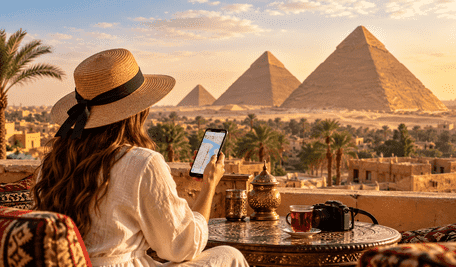
The Great Pyramid, the Pyramid of Khafre and the Pyramid of Menkaure are the best-known landmarks in the area. Seeing them in person is a very different experience from looking at photographs. Their scale becomes more impressive as you approach, and the surrounding desert offers perspectives that are easy to miss on a quick visit.
Saqqara
Saqqara is home to the Step Pyramid of Djoser, one of the most important early pyramid structures in Egypt. Its design marks a significant stage in the development of monumental stone architecture.
Dahshur
Dahshur offers a different atmosphere from the busiest parts of Giza. The Bent Pyramid and the Red Pyramid provide a fascinating look at the experimentation that helped shape later pyramid construction.
2. Ancient Thebes with Its Necropolis: Discovering Luxor
Modern Luxor stands on the site of ancient Thebes, once one of the most important cities in Egypt. Its temples, tombs and monumental avenues offer an extraordinary glimpse into the religious beliefs and royal power of the ancient world.
If there is one destination where you can spend several days exploring ancient Egyptian history, Luxor is a strong contender.
What should you see?
Karnak Temple
Karnak is a vast temple complex that developed over many centuries. Its immense columns, carved reliefs and sacred spaces make it one of Egypt's most remarkable archaeological sites. Give yourself time to explore rather than simply walking through the main areas for photographs.
Luxor Temple
Located close to the modern city, Luxor Temple is particularly atmospheric in the late afternoon and evening. Its statues, columns and illuminated stonework create a memorable contrast with the busy streets beyond its walls.
The Valley of the Kings
Across the Nile on the West Bank, the Valley of the Kings contains royal tombs cut into the surrounding hills. The decorations inside selected tombs offer insights into ancient Egyptian ideas about the afterlife. Tomb access and opening arrangements can vary, so check the available options before your visit.
The Temple of Hatshepsut
Built into the cliffs at Deir el-Bahari, this striking mortuary temple is associated with one of ancient Egypt's most notable female rulers. Its terraces and architectural setting make it one of the most distinctive monuments in Luxor.
3. Nubian Monuments from Abu Simbel to Philae: A Journey Along the Nile
Southern Egypt offers some of the country's most striking archaeological landscapes. The Nubian Monuments World Heritage property brings together important ancient sites along the Nile, including the extraordinary temples at Abu Simbel and Philae.
This part of Egypt feels different from Cairo and Luxor. The river, desert scenery and Nubian cultural heritage all contribute to the experience, making the journey as memorable as the monuments themselves.
What should you see?
Abu Simbel
The temples of Abu Simbel are among Egypt's most impressive landmarks. Built under Pharaoh Ramesses II, the Great Temple is famous for its enormous statues carved into the rock face. The smaller temple is associated with Queen Nefertari and the goddess Hathor.
The temples were relocated in an internationally recognised rescue operation during the construction of the Aswan High Dam, helping preserve them from the rising waters of Lake Nasser.
Philae Temple
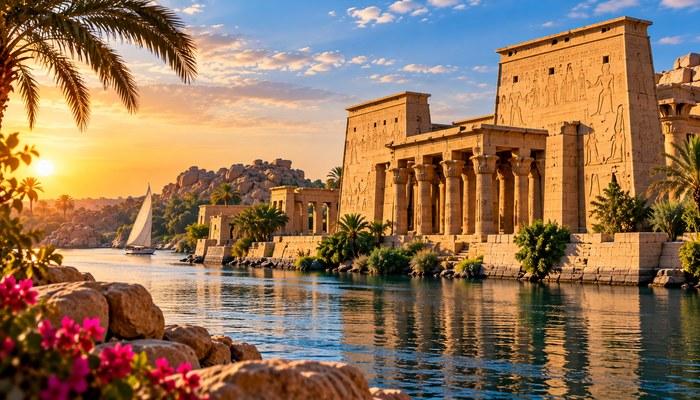
Near Aswan, Philae Temple is dedicated primarily to the goddess Isis. Its setting on an island gives the visit a special atmosphere, with the journey by boat adding to the sense of occasion.
Other Nubian monuments
The wider property includes a number of important temples and archaeological remains associated with the ancient Nubian region. The sites reflect centuries of interaction between Egypt and Nubia, including trade, religion and political power.
Can you visit Abu Simbel and Philae on the same trip?
Yes, although they are not next door to one another. Philae is close to Aswan, while Abu Simbel lies much farther south. Many travellers visit Philae while staying in Aswan and arrange a separate excursion to Abu Simbel, either by road or by air depending on their schedule.
If you are planning a Nile cruise, check which temples are included in the itinerary. Some cruises cover major sites between Luxor and Aswan, while Abu Simbel may need to be arranged separately.
For more practical preparation, our guide to SIM cards and eSIMs in Egypt explains the options for staying connected while travelling between cities and archaeological sites.
Best for: Travellers interested in Nubian culture, impressive temple architecture, Nile scenery and a more extensive journey through southern Egypt.
4. Historic Cairo: A City Full of Stories
Not every World Heritage experience in Egypt involves ancient ruins in the desert. Historic Cairo offers something different: a living city shaped by centuries of Islamic architecture, religious traditions, trade and daily life.
Walking through its historic streets can feel like moving between different chapters of the city's past. Mosques, madrasas, traditional houses, gates and lively markets reveal how Cairo developed into one of the region's great cultural centres.
What should you see?
Al-Muizz Street
Al-Muizz Street is known for its concentration of historic Islamic architecture. Look out for ornate doorways, decorative stonework and buildings that reflect different periods in Cairo's history.
Khan el-Khalili
This famous market area is a lively place to browse traditional crafts, jewellery, textiles, souvenirs and cafés. It can be busy, but taking your time and exploring the smaller lanes often makes the experience more rewarding.
Historic mosques and religious buildings
Cairo has many significant religious and architectural landmarks. Some are active places of worship, so visitors should dress respectfully, follow local guidance and check access arrangements before entering.
Coptic Cairo
Coptic Cairo offers another perspective on the city's heritage, with historic churches and sites connected to Egypt's Christian community. It is a valuable addition to an itinerary focused on the country's religious and cultural history.
5. Abu Mena: An Important Early Christian Pilgrimage Site
Abu Mena is one of Egypt's lesser-known UNESCO World Heritage properties. Located west of Alexandria, it was an important Christian pilgrimage centre built around the tomb of Saint Menas, a Christian martyr.
During late antiquity, the site developed into a religious complex with churches, baptisteries, public buildings and accommodation for pilgrims. Its archaeological remains offer insight into the growth of early Christian pilgrimage and the communities that travelled to sacred places.
Why is Abu Mena important?
Unlike the grand temples of ancient Egypt, Abu Mena tells a different story about the country's past. It reflects the spread of Christianity and the development of religious pilgrimage in the Mediterranean world.
The site is not as straightforward to visit as Giza or Luxor, and access may be limited. Travellers interested in seeing it should check current arrangements with local authorities or a specialist guide before making the journey.
Abu Mena has also faced conservation challenges, so its inclusion on the World Heritage List is about more than historical importance. Protecting the remains is an important part of preserving Egypt's diverse cultural heritage.
Best for: Travellers interested in early Christianity, religious history and archaeological sites beyond the standard tourist route.
6. Saint Catherine Area: Heritage Beneath the Sinai Mountains
The Saint Catherine Area lies in the dramatic mountain landscape of the southern Sinai Peninsula. It is significant for its natural surroundings as well as its religious and cultural heritage.
At its heart is Saint Catherine's Monastery, an ancient Christian monastery located near Mount Sinai. The wider area is associated with traditions important to Christianity, Islam and Judaism, giving it a distinctive place in the religious history of the region.
What makes the area special?
Saint Catherine's Monastery
The monastery is known for its long history, religious significance, historic buildings and collection of manuscripts and icons. It remains an active religious community, so visits should be approached with respect for its traditions and rules.
Mount Sinai
Mount Sinai is associated with the biblical account of Moses receiving the Ten Commandments. Some visitors undertake an early morning or overnight climb to experience sunrise from the mountain, although the terrain and conditions require preparation.
The surrounding landscape
The rocky mountains and desert valleys create a striking contrast with Egypt's Nile Valley. For travellers who enjoy hiking and natural scenery, the region offers a different kind of experience from the country's major archaeological centres.
7. Wadi Al-Hitan: Egypt's Extraordinary Whale Valley
Egypt's only natural World Heritage property is very different from its famous temples and archaeological cities. Wadi Al-Hitan, or Whale Valley, lies in the Western Desert within the Wadi El-Rayan Protected Area in the Fayoum region.
Here, the desert preserves fossils of ancient whales that lived millions of years ago, when this area was covered by water. The remains provide important evidence of how whales evolved from land-dwelling ancestors into marine mammals.
What can you see at Whale Valley?
The site is known for fossilised whale skeletons, including remains that show features of the transition from life on land to life in the sea. Other fossils help scientists understand the ancient marine environment that once existed here.
The landscape itself is part of the appeal. Sandstone formations, open desert and a remarkable collection of fossils make the visit feel quite unlike the rest of an Egyptian itinerary.
How to Plan a Trip Around Egypt's UNESCO World Heritage Sites
Visiting all seven properties requires more than a short break. The sites are spread across different regions, and some are much easier to reach than others. The good news is that you can build a rewarding itinerary around several of the most accessible sites without trying to cover the entire country at once.
If you have 5 to 7 days
Focus on Cairo and Luxor. Explore the pyramid fields around Giza and Saqqara, discover Historic Cairo, then travel to Luxor for Karnak Temple, Luxor Temple and the Valley of the Kings.
This gives you a strong introduction to Egypt's best-known cultural heritage without spending too much of your holiday in transit.
If you have 8 to 10 days
Add Aswan and the Nubian Monuments. After exploring Luxor, continue south to Aswan to visit Philae Temple and arrange an excursion to Abu Simbel if time allows.
This itinerary combines several major World Heritage locations with the changing scenery of the Nile Valley.
If you have 12 days or more
With a longer stay, you can consider adding a visit to the Saint Catherine Area or planning a separate excursion to Wadi Al-Hitan. Abu Mena may also be of interest if you are exploring the Alexandria region, although access should be confirmed in advance.
Trying to visit every site in one trip can become tiring. It is often more enjoyable to explore a smaller number of places properly, with enough time to appreciate their history and surroundings.
When Is the Best Time to Visit Egypt's World Heritage Sites?
For many travellers, the cooler months from October to April are the most comfortable for sightseeing. This is particularly true for outdoor archaeological sites in Cairo, Luxor and Aswan, where summer temperatures can become intense.
Winter is popular, so it is worth arranging accommodation, guides and transport ahead of time. If you are planning your dates around weather and sightseeing conditions, our guide to the best time to visit Egypt explains the seasonal differences across the country.
The ideal season also depends on the kind of trip you have in mind. A cultural itinerary focused on temples and tombs has different needs from a journey that includes mountain hiking or desert excursions. Always check local conditions and site opening arrangements before setting off.
Practical Tips for Visiting UNESCO Sites in Egypt
A little preparation can make a major difference to your experience, especially when visiting large archaeological areas or places away from the main tourist routes.
-
Start early: Morning visits are often more comfortable, particularly at exposed outdoor sites.
-
Wear suitable footwear: Uneven ground, sand and stone steps are common at archaeological locations.
-
Bring water and sun protection: A hat, sunglasses and sunscreen are useful throughout much of the year.
-
Dress respectfully: Religious sites may have specific clothing requirements, so carry a light layer or scarf.
-
Use a knowledgeable guide: Context can transform a visit, helping you understand what you are seeing rather than simply photographing it.
-
Check access before travelling: Opening times, ticket arrangements, conservation work and visitor access can change.
-
Respect the sites: Do not touch fragile surfaces unnecessarily, climb on protected structures or remove objects and fossils.
-
Leave room in your itinerary: Travel between regions can take longer than expected, and rushing from one monument to another can take away from the experience.
Discover a Different Side of Egypt
Egypt's UNESCO World Heritage Sites reveal far more than the achievements of the pharaohs. They tell stories of ancient cities, royal tombs, religious traditions, Nubian heritage and a natural world that existed millions of years before the first pyramids were built.
Whether you spend your days exploring Luxor's monumental temples, travelling along the Nile to Abu Simbel or discovering the extraordinary fossils of Whale Valley, each place offers a different reason to look at Egypt more closely. With a well-planned itinerary, you can experience the country's most celebrated landmarks while making time for the quieter places that give its history so much depth.
For help bringing these experiences together, Travoluxury can help you explore travel options and plan an Egyptian journey shaped around your interests, pace and preferred style of travel.