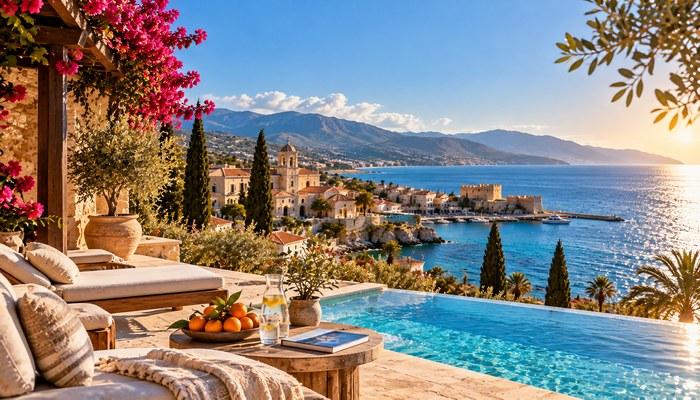
While much of Europe shivers through grey January, Cyprus is still serving up blue skies, orange groves and lunches outdoors. It is one of the few places within five hours of the UK where you can walk a Roman mosaic in shirtsleeves, and it is why more travellers are booking luxury Cyprus holidays for the colder months instead of the summer peak.
But winter sun in Cyprus is not the same as summer sun, and the people who enjoy it most are the ones who know what to expect. Think mild, bright days rather than beach-bag heat, and a destination with far more to do than lie by a pool.
Here is how the weather really behaves, which bases work best in winter and what to pack, so you can choose the right place and the right month.
Winter Sun in Cyprus at a Glance
-
Flight time from the UK: about 4.5 hours to Larnaca or Paphos.
-
Coastal daytime temperatures: typically around 16–19°C from December to February, and low 20s in November.
-
Sea temperature: warm enough to swim in November, brisk by January and February.
-
Best for: culture, food, walking, spa breaks and a mild escape from the UK winter.
-
Not ideal for: hot-weather beach days. For those, travel in spring or autumn.
What the Weather Is Really Like
-
November: still very pleasant, with highs in the low 20s and a sea warm enough for a dip.
-
December and January: mild, bright days and cool evenings. This is the wettest period, though showers are usually short.
-
February: similar temperatures, with almond blossom starting to appear.
-
March: noticeably warmer, with wildflowers and ideal weather for hiking.
Overall, expect plenty of sunshine but pack layers, since evenings can be chilly and the mountains are much colder than the coast.
Where to Stay in Cyprus in Winter
This is the most important decision. Cyprus is a seasonal destination, and many resort areas quiet down or close their doors between November and March, so choose a base that stays open and lively all year.
-
Limassol: the island’s year-round city, with a marina, strong restaurants and easy access to the Troodos wine villages.
-
Paphos: a calm, cultured base with the UNESCO-listed archaeological park, a relaxed harbour and some of the island’s best spa hotels.
-
Larnaca: a convenient base near the airport, with a lively seafront promenade and flamingos on the nearby Salt Lake in winter.
-
Troodos Mountains: stone-built boutique stays with log fires, ideal for a cosy, rural break.
-
Ayia Napa and Protaras: stunning in summer but very quiet in winter, with many venues shut, so they suit only those who want total peace.
Always check that the hotel’s restaurant, spa and pool are open, and whether the pool is heated.
Thinking of a two-centre winter trip? Cyprus pairs easily with our luxury Turkey holidays for a second stop.
Winter Hotel Features Worth Looking For
A great winter stay depends on the details, so check these before you book:
-
A heated pool or indoor pool: essential if you want to swim between December and March.
-
A full spa: hammam, sauna, treatment rooms and thalassotherapy turn cooler days into a highlight.
-
Proper heating: underfloor heating, log burners or reliable air conditioning that also heats.
-
Open restaurants: confirm that the main restaurant and any signature venues operate in winter.
-
Easy transfers: a private airport transfer saves time when days are shorter.
Things to Do in Cyprus in Winter
-
Ski and swim: Mount Olympus in Troodos (1,952 m) usually has snow from around January to March. In a good snow year, the beach is roughly 90 minutes away.
-
Walk the waterfalls: trails near Platres, including the one to Caledonia Falls, are at their best after winter rain.
-
Spot the flamingos: thousands of flamingos winter at Larnaca Salt Lake.
-
Explore ancient sites: Paphos, Kourion and the painted churches of Troodos are far quieter than in summer, with cooler weather for walking.
-
Taste the season: citrus is in season, restaurants serve slow-cooked winter meze, and wine villages are cosy rather than crowded.
Eating and Drinking in Winter
Winter is when Cypriot food feels most generous. Menus lean towards slow-cooked dishes such as kleftiko (lamb baked until it falls from the bone) and stifado, a rich stew simmered with wine and onions, alongside charcoal-grilled souvla and, of course, halloumi. Citrus is in season, so expect fresh orange juice and lemon-scented salads. In the villages, many tavernas light log fires, and a glass of Commandaria or a small measure of zivania is a traditional way to end the meal.
A Sample 5-Day Winter Itinerary
Cyprus is compact, so a few days can cover a surprising amount without much driving. Here is a route that balances culture, nature and downtime:
-
Day 1: Arrive in Paphos or Limassol, take a sunset walk along the seafront and settle into a long, slow meze dinner.
-
Day 2: Visit Paphos Archaeological Park in the morning, when the mosaics are quietest, then spend the afternoon at the spa.
-
Day 3: Head into the Troodos Mountains for a winery lunch in Omodos and a short walk to Caledonia Falls near Platres.
-
Day 4: Explore the clifftop ruins of Kourion in the morning, then enjoy lunch in Limassol Old Town or by the marina.
-
Day 5: See the flamingos at Larnaca Salt Lake and have a final coffee on the seafront before your flight.
Private Winter Experiences Worth Booking
Winter is a brilliant time for guided, private experiences because there are fewer crowds and better availability. Think private archaeology tours, a day among the Troodos wineries or a cooking session in a village home. Our guide to Cyprus for High-End Travellers where Private Experiences Worth Booking are covered and explained what is worth reserving and why.
The Festive Season and Carnival
December and early January are when Cyprus is most atmospheric. Villages fill with family, children sing carols door to door, and the season ends with the blessing of the sea on 6 January. If you are planning a festive trip, read Christmas in Cyprus where Village Celebrations and Festive Traditions are explained for what to see and eat.
Later in winter, the Limassol Carnival, held before Lent (usually in February or March), brings parades and costumes to the city streets.
What to Expect and What to Pack
-
Layers, a warm jacket for evenings and a proper coat for the mountains.
-
A waterproof layer or compact umbrella, as December and January bring showers.
-
Comfortable walking shoes for stone villages and archaeological sites.
-
Swimwear, especially if your hotel has a heated pool or spa.
Indoors, heating varies between properties, so it is worth asking about it when you book. Prices outside school holidays are also generally lower than in peak summer.
Daylight is shorter, with sunset around 5pm in December, so plan sightseeing and walks for the morning and early afternoon and keep evenings for long dinners.
Winter or Summer: Which Is Right for You?
Summer in Cyprus means beach days, warm evenings and a lively atmosphere, but temperatures often climb into the 30s°C, resorts are at their busiest and prices peak. Winter trades the heat for space: quieter sights, cooler weather for walking, uncrowded restaurants and better availability at the best hotels.
If your priority is swimming and sunbathing, spring and autumn are the sweet spot. If you want culture, food, mountains and a gentle escape from the British winter, the colder months are hard to beat.
Common Winter Mistakes to Avoid
-
Choosing a seasonal resort area where hotels, bars and restaurants close for winter.
-
Expecting hot beach weather and packing only summer clothes.
-
Overloading the itinerary when daylight is shorter.
-
Leaving private guides, drivers and restaurant bookings until the last minute, especially around Christmas and New Year.
How Long to Stay
Five to seven nights is a comfortable winter stay, enough to mix culture, a spa day and a mountain excursion. If you want a longer escape, Cyprus also works well as part of a two-stop trip.
Winter in Cyprus is for travellers who want mild weather, rich culture and far fewer crowds. If you would like help choosing the right base and the right month, Travoluxury can design a trip around the way you like to travel.