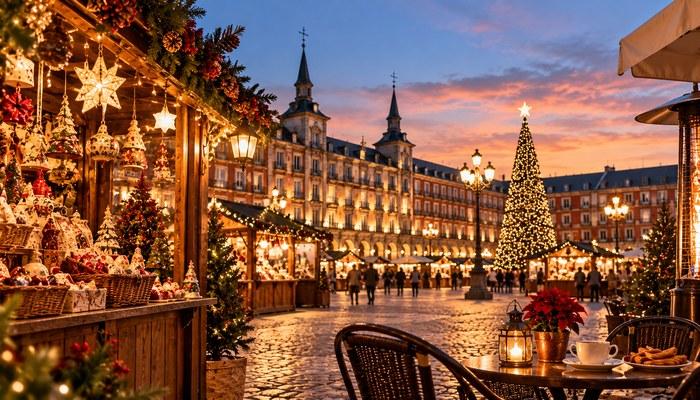
Forget the snow globe. In Spain, Christmas smells of toasted almonds and hot chocolate, sounds like street musicians and church bells, and looks like a whole city lit up for a party that does not really end until the sixth of January.
This is a country that does not rush its festive season. It starts in late November with glowing streets and little wooden market stalls, builds through a long family dinner on Christmas Eve, throws in a midnight tradition involving twelve grapes, and finishes with a parade of Three Kings tossing sweets into the crowd. It is warmer, louder and a lot more fun than most people expect.
If you are daydreaming about luxury Spain holidays over the festive season, here is your guide to the markets, traditions, foods and places that make a Spanish Christmas unforgettable.
How Christmas Works in Spain
Before you pack, it helps to know the rhythm of the season. It runs a little differently from a British Christmas:
-
Nochebuena (24 December): Christmas Eve is the big family night. Long tables, plenty of seafood and a late dinner are the order of the evening, and some people head to midnight Mass afterwards.
-
Navidad (25 December): A quieter day of leftovers, family and rest. Many shops and restaurants close.
-
Día de los Santos Inocentes (28 December): Spain's answer to April Fools' Day, when pranks and playful hoaxes are fair game.
-
Nochevieja (31 December): New Year's Eve, famous for eating twelve grapes at midnight, one for each chime of the clock.
-
Día de Reyes (6 January): The Three Kings bring the gifts, and this is when many Spanish children open presents. The parades the evening before are a highlight.
Something else to know: the Christmas lottery, known as El Gordo, is drawn on 22 December and the whole country seems to hold its breath. Even if you do not buy a ticket, the excitement is contagious.
Madrid: Lights, Markets and the Plaza Mayor
Madrid at Christmas is pure theatre. Streets are strung with lights, department store windows turn into small stage sets, and the Plaza Mayor fills with a traditional Christmas market known for nativity figurines, decorations and festive trinkets. It is the sort of place where you buy a tiny wooden shepherd for your tree and end up staying an hour longer than planned.
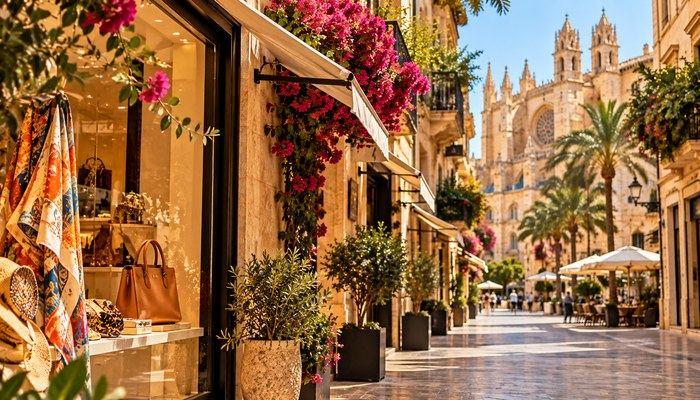
It also happens to be a fantastic city for the shopping side of the season. If you want to turn your festive break into a style mission, our guide to designer boutiques and local brands in Spain shows you where to go once the market stalls have given you the Christmas spirit.
On New Year's Eve, the clock in the Puerta del Sol becomes the most famous timekeeper in the country, and crowds gather for the grapes. Nights are properly cold in Madrid, so wrap up and keep a hot chocolate close.
Best for: First-time visitors, families and anyone who wants classic Christmas market charm in a grand city.
Barcelona: Fairs, Figurines and a Very Odd Log
Catalonia has Christmas traditions you will not find anywhere else. Nativity scenes often include the caganer, a small figure who is, shall we say, answering the call of nature. It is considered good luck and is sold as a cheeky souvenir. Children also feed and beat the Tió de Nadal, a smiling log that "poops" out presents on cue.
Barcelona's markets are just as memorable. The traditional Santa Llúcia fair near the cathedral, along with a market by the Sagrada Família, fills the city with Christmas trees, nativity supplies and handmade gifts. Dates change each year, but markets typically run from late November until close to Christmas.
On 26 December, Catalonia celebrates Sant Esteve, when families traditionally enjoy canelons made from leftover festive meats. It is comfort food at its best.
Best for: Curious travellers, culture lovers and anyone who enjoys quirky traditions.
Palma de Mallorca: Island Traditions and Winter Calm
Mallorca in December is a world away from its summer buzz. The beaches quieten down, the old town glows with lights and the island's festive traditions take centre stage. One of the loveliest is the Cant de la Sibil·la, a medieval chant performed in churches on Christmas Eve and recognised by UNESCO as an important piece of intangible cultural heritage.
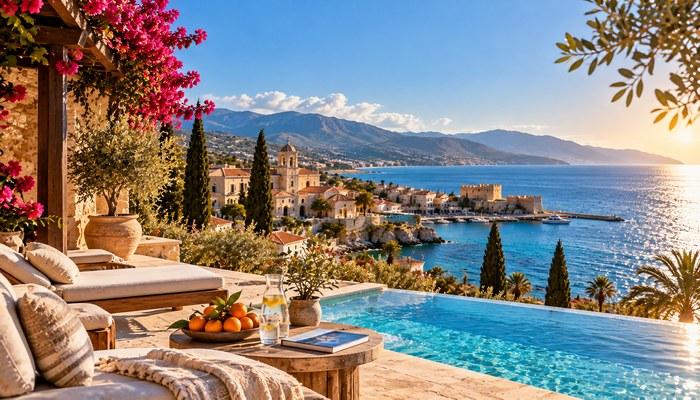
Days can be mild and bright enough for a long lunch outdoors, which makes the island an easy choice if you like your Christmas with a bit of sunshine. If a calm, stylish base appeals, explore our luxury Majorca holidays.
Best for: Couples, relaxed breaks and travellers who want tradition without the crowds.
Seville and Málaga: Andalusian Christmas Magic
Southern Spain brings a warmer, brighter side to the season. In Málaga, the festive lights along Calle Larios are famous, often paired with a light and sound show that draws crowds each evening. Seville adds its own charm with nativity scenes, illuminated squares and old streets that look even prettier after dark.
Winter temperatures are generally gentler in Andalucía than in central Spain, so you can wander for hours without losing feeling in your fingers. Add a plate of warm churros, a glass of something sparkling and you have the ideal evening.
Best for: Travellers who want festive lights without a deep freeze, plus beautiful old towns to explore.
Tenerife: Christmas in the Sun
Some people want carols, others want a sun lounger. Tenerife happily serves both. Winter on the island tends to be mild, resorts get dressed up for the season and you can combine festive dinners with long, warm days outdoors. Three Kings celebrations also take place across the Canary Islands, giving you a chance to see local traditions as well as relax by the pool.
It is a natural pick for families and anyone who wants Christmas with a holiday heartbeat. To see where you might stay, take a look at our luxury Tenerife holidays.
Best for: Winter-sun seekers, families and travellers who want the festive season with a tan.
What to Eat at Christmas in Spain
Spanish festive food is a joy, and much of it is about gathering around a table for hours. Look out for:
-
Turrón: A nougat made with almonds and honey, found in many varieties from soft to crunchy.
-
Polvorones and marzipán: Crumbly almond sweets and marzipan treats that appear everywhere in December.
-
Seafood: Prawns, shellfish and fish dishes often take pride of place on Christmas Eve.
-
Roast meats: Lamb and suckling pig are classics in several regions.
-
Roscón de Reyes: A ring-shaped cake served around Three Kings, often decorated with candied fruit and hiding a small surprise inside.
-
Cava: The sparkling wine of choice for toasting the season.
Menus vary by region and household, so ask locals what they eat at home. That is where the best recommendations hide.
The Three Kings Parade: Spain's Grand Finale
If you can, stay until the evening of 5 January. Towns and cities across Spain hold Cabalgatas de Reyes, colourful parades where the Three Kings arrive on floats, scattering sweets to crowds of children and grown-ups alike. Bring a bag, because the sweets fly fast.
The next morning, families open presents and share Roscón de Reyes. It is a warm, joyful end to the season, and a lovely way to see a Spanish tradition up close.
Planning Your Spanish Christmas Trip
A few practical tips will keep things smooth:
-
Check market dates. They change every year, so confirm opening dates and hours before you go.
-
Pack for the region. Central Spain can be properly cold, while the south and the islands are milder. Bring layers either way.
-
Expect closures. Many shops and restaurants close on 25 December, and some on 24 evening and 1 January. Book dinner reservations early for popular nights.
-
Book early. Hotels and flights fill up around Christmas, New Year and Three Kings, so plan ahead.
-
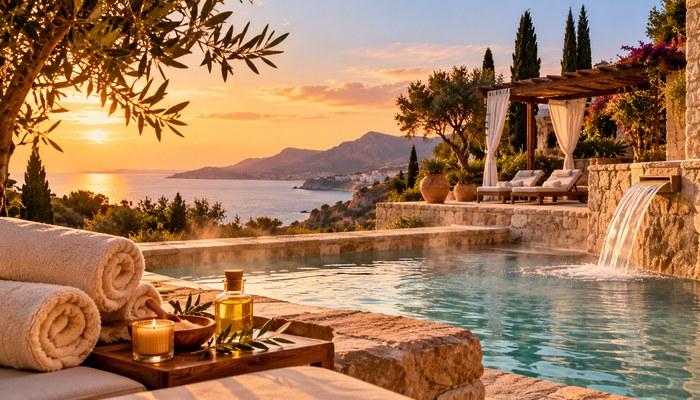
Leave room to unwind. After a few busy days of markets and late dinners, a quiet spa day feels wonderful. Our guide to luxury spa retreats in Spain shows where to find thermal waters and calm hotel spas.
Make It a Christmas to Remember
Spain turns the festive season into something warm, noisy and wonderfully human. You might sip hot chocolate under the lights of Madrid, hear an ancient chant in Mallorca or catch a handful of sweets at a Three Kings parade. Pick the traditions that excite you, leave a little room for surprises and let the season carry you along. When you are ready to turn the idea into a plan, Travoluxury can help you shape a festive Spanish escape around the places and pace that suit you best.