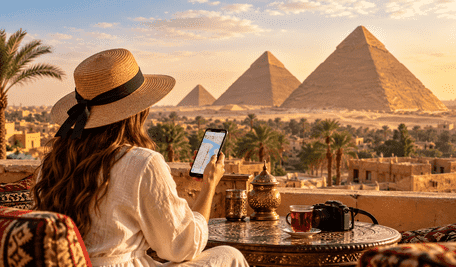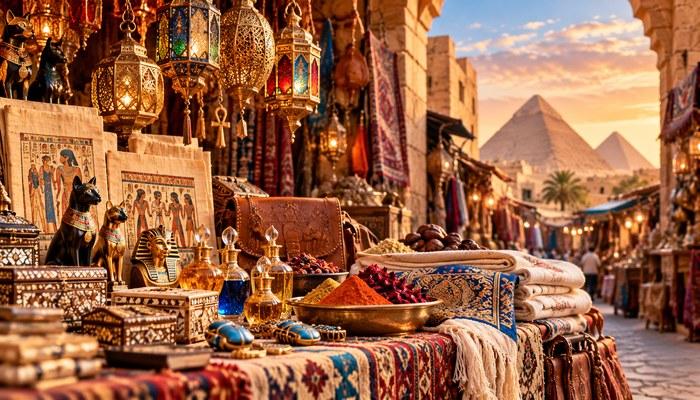
The pyramids will not fit in your suitcase. Neither will the Nile at sunset, or the smell of cardamom drifting through a Cairo alley at dusk. But a surprising amount of Egypt will, if you know exactly what to look for.
Every year, travellers on Luxury Egypt holidays fly home with the same forgettable fridge magnet, while the real treasures sit a few lanes away: silver stamped with your name in hieroglyphs, spices ground that very morning, cotton so soft it ruins every other sheet you own. The difference between a tourist trinket and a keepsake you will treasure for decades comes down to knowing where to shop, what to buy and how to spot a fake before your money leaves your hand.
That is what this guide is for. Read on, because one of the most popular souvenirs in Egypt is almost never what the seller says it is.
Khan el-Khalili: Where the Hunt Begins
If Egypt has a shopping heart, it beats loudest in Khan el-Khalili. This sprawling Cairo bazaar has been trading since the fourteenth century, and it still feels like a maze designed to make you lose track of time. It sits inside Historic Cairo, one of Egypt's UNESCO World Heritage Sites, so you are browsing for gifts inside a living piece of history.
Here is what deserves a place in your bag:
-
Cartouche jewellery: A cartouche is the oval frame ancient Egyptians used to enclose a royal name. Jewellers here will spell your name in hieroglyphs and craft it in silver or gold, often while you wait. It is personal, wearable and impossible to find at home.
-
Brass and copper lanterns: Pierced metal lamps throw patterns across the walls that look like a night in a Cairo palace. Pick one up and check the weight. Heavier usually means better made.
-
Inlaid wooden boxes and backgammon boards: Mother-of-pearl set into dark wood is a classic Egyptian craft. Run a finger over the surface. Hand-set inlay feels slightly uneven, while printed fakes feel perfectly flat.
-
Perfume oils: Egyptian perfumers blend jasmine, lotus and musk into concentrated oils sold in tiny glass bottles. Ask to smell several, and wait a minute for the scent to settle on your skin before you decide.
A small tip that pays off: the best shops are rarely on the busiest stretch. Wander into the side lanes, accept the offer of mint tea, and let the conversation do the work.
The Papyrus Trap (and How to Beat It)
Here is the secret hiding in plain sight. A huge share of the papyrus sold to tourists is not papyrus at all. It is pressed banana leaf, painted to look ancient and sold at a premium.
Real papyrus is made from strips of the papyrus plant, layered in a crisscross pattern and pressed until they bind. You can see the woven fibres when you hold it up to the light. Banana leaf looks flat, uniform and slightly shiny.
The test is simple. Ask the seller to fold a corner. Real papyrus bends without cracking and shows crisscrossed fibres along the fold. A fake tends to crack or tear. Reputable papyrus institutes also let you watch the paper being made, which is a fascinating stop in its own right.
Luxor and Aswan: Stone, Spice and Nubian Colour
Travel south and the shopping changes character completely. Luxor is known for carved alabaster, a pale, translucent stone worked into vases, bowls and lamps. Real alabaster feels cool to the touch and glows softly when light passes through it. Resin copies feel warmer and look oddly opaque.
Aswan is where the bazaar turns into a riot of colour. Spice stalls pile saffron, cumin, dried limes and bright red hibiscus petals into pyramids, and the hibiscus makes karkadeh, a ruby-red tea that tastes like summer in a cup. Nubian villages nearby sell hand-woven baskets, bead jewellery and bright textiles, often made by the family selling them. Buying here means your money goes straight to the people who made the piece.
Heading further off the standard route? Siwa Oasis is famed for olives, dates and silver jewellery, while the pottery village of Tunis in the Fayoum region is a hidden gem for ceramics.
Red Sea Finds Beyond the Beach
Many journeys end with a few lazy days by the water, and the shops along the Red Sea coast deserve a look before you fly home. If you are planning Luxury Hurghada holidays, set aside an afternoon for the local bazaars. You will find embroidered Bedouin-style textiles, leather goods, essential oils, hand-painted ceramics and shisha pipes, usually at friendlier prices than the tourist centres of Cairo.
One firm rule here: never buy coral, shells or any dried sea creatures. Collecting them damages the reef that makes this coast so spectacular, and removing them is restricted. A photograph of the reef is the only souvenir worth taking.
How to Haggle Without Losing the Fun
Bargaining is part of the theatre in Egyptian markets, and sellers enjoy it more than you might expect. Done well, it is a friendly game, not a fight.
-
Never accept the first price. It is the opening move, not the destination.
-
Smile and stay relaxed. Sellers respond far better to warmth than to pressure.
-
Know your limit before you start. Decide what the item is worth to you and stick to it.
-
Walking away is your strongest tool. If the price is wrong, thank them and leave. You will often be called back with a better offer.
-
Buy more than one and ask for a bundle price. Gifts for friends and family are the perfect way to negotiate a discount.
Bring small notes, since big ones make change awkward. It also helps to keep your phone ready for a currency converter, a translation app or a quick price check, so a reliable connection is worth arranging in advance. Our guide to SIM cards and eSIMs in Egypt explains the easiest ways to get online the moment you land.
What You Should Never Bring Home
A few things look tempting but will cause trouble at the airport, or worse. Genuine antiquities cannot be taken out of Egypt, so anyone offering you an "ancient" scarab or a piece of "real" tomb stone is either mistaken or misleading you. Replicas are perfectly fine and are sold openly as such.
Steer clear of coral, shells and anything made from protected wildlife. If you are unsure about a particular item, ask the seller for a receipt and check the rules for your home country before you pack.
When to Shop for the Best Experience
Markets are outdoor affairs, and haggling in the midday sun is nobody's idea of fun. Egypt's cooler months make wandering the bazaars far more pleasant, and evenings bring out the best atmosphere, with lanterns glowing and the crowds easing. Our best time to visit Egypt guide breaks down the weather month by month so you can plan your shopping around comfortable conditions.
Take a Little of Egypt Home
The best souvenirs from Egypt are not just objects. They are the memory of the mint tea you shared while you haggled, the jeweller who spelled your name in stone-age symbols, the spice seller who insisted you try one more blend. Shop slowly, ask questions and buy what makes you smile. If you would like help turning all of this into a seamless journey, from the pyramids to the Nile and the Red Sea, Travoluxury can help you plan an Egyptian escape shaped around the way you love to travel.